Japanese recipes represent one of the most coherent, most disciplined, and most deeply considered food cultures in the world, and one of the most misrepresented in the average American understanding of what Japanese food is.
Most Americans encounter Japanese food through sushi restaurants, ramen shops, and teriyaki sauce. These are real and genuinely excellent parts of Japanese cuisine. They are also a small fraction of it. Japanese home cooking, the food that Japanese families make on Tuesday evenings, that school cafeterias serve, that convenience stores sell, that grandmothers make for grandchildren, is a different and considerably broader world. It is the world this guide covers.
Understanding Japanese food requires understanding one central principle: the philosophy of ichiju sansai, one soup, three sides. A traditional Japanese meal is built around a bowl of rice, a bowl of miso soup, and three small side dishes that provide protein, vegetables and pickles. This structure is not rigid, but the philosophy behind it, balance, variety, seasonal awareness, restraint, runs through everything in Japanese cooking.
This is part of the Asian recipes collection on RecipesWorldly.
What Japanese Cuisine Actually Is
Japanese cuisine is noted for its subtle and delicate flavors, sushi, sashimi, ramen, soba, udon and sukiyaki are among the dishes that have become known worldwide. But the international recognition of these specific dishes creates a misleading impression that Japanese food is primarily raw fish and noodle soups. The reality is a cuisine of extraordinary range, from the meticulously refined kaiseki multi-course tradition to the unapologetic richness of tonkatsu (panko-breaded deep-fried pork cutlet), from the delicate dashi broth that underpins almost everything to the bold fermented intensity of miso, from light cucumber sunomono salads to deeply sticky teriyaki.
What unifies this range is not a set of specific dishes but a set of shared principles:
Umami as the foundation. Japanese cooking identified and codified the fifth taste, umami, the savory depth found in dashi, soy sauce, miso, dried bonito, kombu seaweed and dried mushrooms, long before Western food science named it. Every Japanese dish is built, consciously or not, around umami. Understanding this single concept explains why Japanese food tastes so specifically good.
Seasonal awareness. The Japanese concept of shun, the peak season for each ingredient, is more specific and more central to daily cooking than seasonal awareness in almost any other food culture. Spring means bamboo shoots and sakura mochi. Summer means hiyayakko (cold tofu) and kakiage (vegetable tempura). Autumn means matsutake mushrooms and new harvest rice. Winter means nabe (hot pots) and oden. Cooking seasonally in Japan is not a lifestyle choice, it is the baseline.
Restraint and precision. Japanese cooking values technique over quantity and subtlety over assertiveness. The best dashi takes 10 minutes and transforms plain water into something that carries the entire flavor of the sea. The perfect sushi rice requires specific rice, specific rice vinegar, a specific temperature and a specific technique for folding the seasoning in without crushing the grains. The difference between adequate and extraordinary in Japanese cooking is almost always precision rather than effort.
The Japanese Pantry: The Foundation
Japanese cooking requires a specific pantry of fermented, dried and pickled ingredients that have no close substitutes. The good news: every item on this list is available at Asian grocery stores across the US, and most are now available at Whole Foods and even many mainstream supermarkets.
The absolute essentials:
Soy sauce (shoyu): the foundational seasoning of Japanese cooking. Japanese soy sauce is lighter, more delicate and less salty than Chinese soy sauce. Kikkoman is the most widely available and excellent. For cooking: use regular soy sauce. For dipping and finishing: use tamari (gluten-free, darker, richer) or usukuchi (light soy sauce, less color, more salt, for dishes where dark color would be wrong).
Mirin: sweet rice wine used for cooking. Adds sweetness, depth and a glossy sheen to sauces and glazes. Essential for teriyaki, sukiyaki, and hundreds of braised dishes. Do not substitute with sugar and water, the flavor of actual mirin is irreplaceable. Buy hon-mirin (real mirin with alcohol) rather than mirin-style condiment.
Sake: Japanese rice wine used extensively in cooking to add depth, remove fishiness from fish dishes, and tenderize meat. Regular inexpensive cooking sake from an Asian grocery store is perfectly adequate. Do not use the expensive sake you would drink.
Dashi: the foundational stock of Japanese cooking, made from kombu (dried kelp) and katsuobushi (dried bonito flakes). It is the most important technique in Japanese cooking and the easiest: cold water + kombu soaked 30 minutes + brought just barely to a simmer + kombu removed + bonito flakes added and steeped 3 minutes + strained. The result is pale, clear, extraordinarily savory and used as the base for miso soup, noodle broths, simmered dishes and sauces throughout Japanese cooking.
Instant dashi (dashi powder or dashi packets) is a perfectly acceptable shortcut for everyday cooking. Japanese cooks use it constantly.
Miso: fermented soybean paste used as the base for soups and sauces, is a staple of Japanese cooking with at least 1,000 known varieties. For practical home use, three types matter: shiro miso (white miso, mild, sweet, used in light soups and dressings), aka miso (red miso, stronger, more complex, used in heartier soups and marinades), and awase miso (a blend of both, the most versatile everyday option).
Rice: short-grain Japanese rice (Japonica variety). Koshihikari is the premium variety, widely available in Asian supermarkets. The short grain is not a preference, it is essential. Japanese cooking is built around the specific texture of short-grain rice: slightly sticky, tender, with a sweetness that long-grain and jasmine rice do not have.
Panko breadcrumbs: Japanese breadcrumbs made from crustless white bread, creating larger, lighter, crispier flakes than standard Western breadcrumbs. Essential for tonkatsu, katsu curry, ebi furai (fried shrimp) and any Japanese fried dish.
The complete Japanese pantry guide covers every ingredient in detail with specific brands and substitution notes.
The Japanese Recipes: Where to Start
Ramen: The Bowl That Contains Multitudes
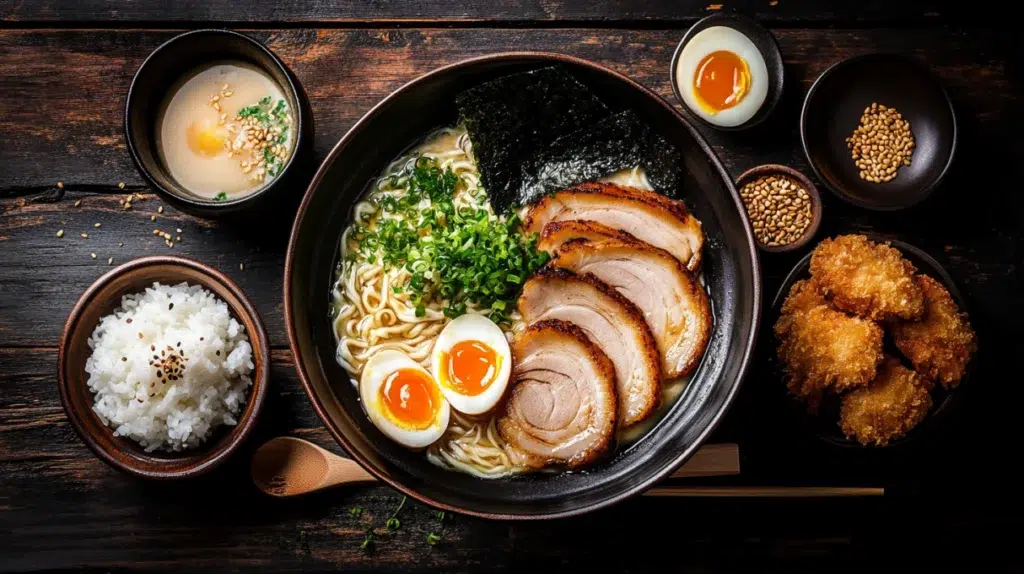
Ramen is the most searched Japanese recipe in the world and the one with the biggest gap between the instant version and the real thing. Real ramen, a carefully made broth of tare (concentrated seasoning base) combined with a stock that has simmered for hours, topped with chashu pork belly, soft-boiled marinated eggs, noodles and a precisely arranged set of garnishes, is one of the great bowls of food on earth.
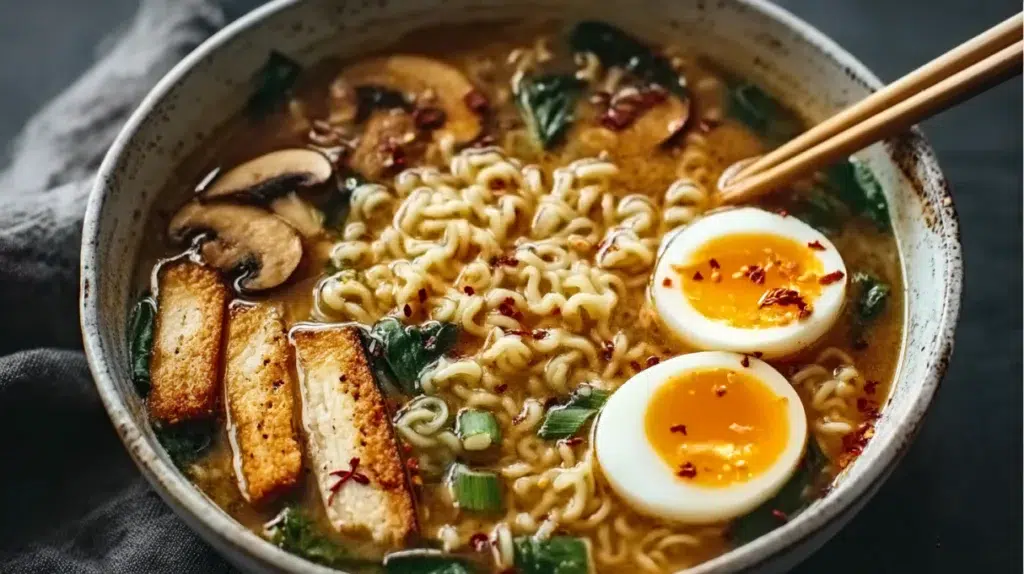
The four main styles: shoyu (soy sauce-based broth, clear and brown, from Tokyo), shio (salt-based broth, pale and clean, from Hakodate), miso (miso-enriched broth, rich and complex, from Sapporo), tonkotsu (pork bone broth, milky-white, intensely rich, from Fukuoka). Each has its own regional identity, its own broth technique, its own garnish conventions.
For home cooks: the tare shortcut. Rather than simmering bones for 12 hours, a good shoyu tare combined with a quality chicken stock produces a genuinely excellent bowl of ramen in under an hour. The secret is the tare, the concentrated seasoning base of soy sauce, mirin, sake and aromatics, which provides the specific ramen flavor that transforms stock into a ramen broth.
→ Full recipe and all four regional styles in the ramen recipe guide
Sushi: The Misunderstood Art
Sushi is the Japanese food most people think they understand and the one most likely to produce genuine surprise when encountered properly. The common American understanding, raw fish on rice, is not wrong but it misses the point. The rice is the art form. A sushi master is first a rice master. The fish is secondary.
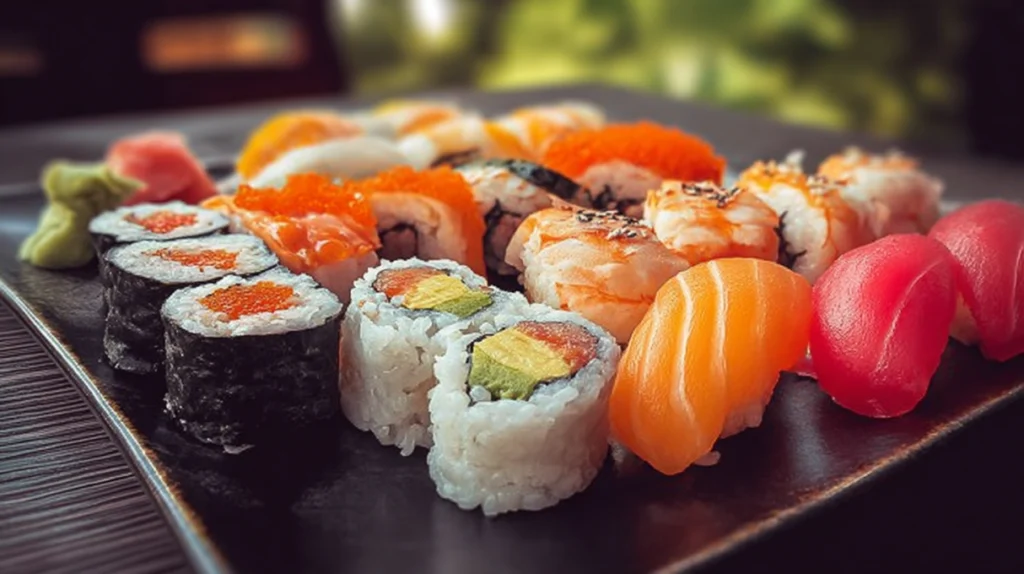
Sushi rice (shari) is seasoned short-grain rice prepared with a specific blend of rice vinegar, sugar and salt, cooled to body temperature, folded (never stirred, folding preserves the grain structure) and used immediately. The temperature, texture and seasoning of sushi rice is the single most important factor in sushi quality. Cold sushi rice, the refrigerated version served at many Western sushi restaurants, is incorrect and tastes wrong.
Home sushi: temaki (hand rolls, cones of nori filled with rice and fillings) is the most accessible home format. No rolling mat needed. Children can assemble their own. The casual, interactive nature of temaki is exactly how Japanese families eat sushi at home, not the precise, restaurant-style nigiri of professional sushi chefs.
→ Full guide including sushi rice recipe, fish selection, and home formats in sushi at home
Japanese Comfort Food: The Everyday Dishes
The Japanese home cooking canon is not sushi and ramen. It is karaage (Japanese fried chicken, one of the world’s great fried chicken preparations), tonkatsu (breaded pork cutlet served with shredded cabbage and tonkatsu sauce), oyakodon (chicken and egg rice bowl, literally “parent and child bowl”), nikujaga (meat and potato stew, the Japanese equivalent of pot roast), tamagoyaki (rolled sweet omelette, eaten at breakfast and in bento boxes), teriyaki chicken (the original version, nothing like the thick sweet glaze of American Japanese restaurants).
These are the dishes Japanese mothers make. The dishes that appear in every bento box. The dishes that define what Japanese comfort means, careful, balanced, subtle richness rather than aggressive boldness.
→ Full collection of Japanese comfort food recipes in the Japanese comfort food guide
Japanese vs Chinese Food: Related but Distinct
Japan and China share thousands of years of cultural exchange, Buddhism, writing systems, court culture, and food. Ramen came from China. Gyoza are Chinese jiaozi adapted to Japanese taste. Tofu originated in China. The soybean fermentation traditions that produce miso and soy sauce are Chinese in origin.
And yet Japanese cuisine and Chinese cuisine are completely different in character, philosophy and result. Chinese cooking is typically bolder, more assertive and more oil-rich. Japanese cooking is more restrained, more focused on the quality of individual ingredients, and built around the dashi-umami flavor foundation that has no direct Chinese equivalent.
→ The full comparison in Japanese vs Chinese food
Japanese Food Culture: Things Worth Understanding
The bento box is one of the most specific expressions of Japanese food culture, a single-serving boxed meal balanced for nutrition, color, flavor and seasonal appropriateness. The classic bento contains rice, protein (most commonly karaage, tamagoyaki or a piece of grilled fish), and several small vegetable side dishes. The deliberate, careful arrangement of bento contents is a form of culinary care that has no equivalent in Western food culture.
Washoku: traditional Japanese cuisine, was inscribed on UNESCO’s Intangible Cultural Heritage list in 2013. The designation recognized not just specific dishes but an entire dietary culture built around the four seasons, the use of naturally occurring dashi, the presentation of a diverse range of small dishes, and the importance of marking special occasions through food.
The izakaya is the Japanese equivalent of a pub, an informal restaurant where sake, beer and shochu are accompanied by an extensive menu of small dishes: edamame, karaage, yakitori (grilled chicken skewers), dashimaki tamago (dashi-seasoned rolled egg), grilled fish, and a dozen more. The izakaya tradition represents Japanese cooking at its most relaxed, most generous and most sociable.
Japanese knife culture deserves a mention for the home cook who wants to understand the cuisine deeply. Japanese kitchen knives, gyuto (chef’s knife), nakiri (vegetable knife), yanagiba (sashimi slicer), are among the finest in the world, made with harder steel and a more acute edge angle than Western knives. Caring for a Japanese knife, sharpening it properly, never putting it through a dishwasher, using only a wooden cutting board, is part of the respect that Japanese cooking culture extends to its tools.
Frequently Asked Questions
Is Japanese cooking difficult?
Some of it is very difficult, precision sushi, multi-day ramen broths, kaiseki preparation. Most of it is not. Miso soup, tamagoyaki, karaage, teriyaki chicken, oyakodon, these are straightforward dishes that reward attention to ingredient quality more than technical skill. The pantry setup is the main barrier. Once you have the essentials, Japanese weeknight cooking is fast, balanced and deeply satisfying.
Where do I buy Japanese ingredients in the US?
H Mart (Korean-American supermarket chain, widely distributed) carries everything. Mitsuwa and Nijiya are Japanese supermarket chains in major cities. Whole Foods carries mirin, miso, soy sauce, panko and short-grain rice reliably. Amazon carries dashi powder, specific miso varieties and specialty Japanese pantry items.
What is the difference between Japanese and American sushi?
The main differences: American sushi uses more cream cheese, more mayonnaise-based sauces and more elaborate rolls (the California roll, the spicy tuna roll) that are American inventions. Japanese sushi focuses on the quality of the fish and the rice. The rice temperature is different, Japanese sushi rice is served at body temperature, American sushi rice is often refrigerated. American sushi is not inferior, it is a different tradition that evolved over decades.
Do I need a rice cooker?
A rice cooker makes Japanese rice significantly easier and more consistent than stovetop cooking. It is a worthwhile investment (a basic Zojirushi model costs around $30-50) if you plan to cook Japanese food regularly. Without one: rinse the rice thoroughly, use a 1:1.1 rice-to-water ratio, bring to a boil then reduce to the lowest heat and cook covered for 12 minutes, then rest covered for 10 minutes off the heat.
Planning your week? Add a Japanese recipe to your weekly meal planner alongside your everyday staples.