Japanese pantry essentials are the single biggest barrier between wanting to cook Japanese food and actually doing it, and they are a much smaller barrier than most people think.
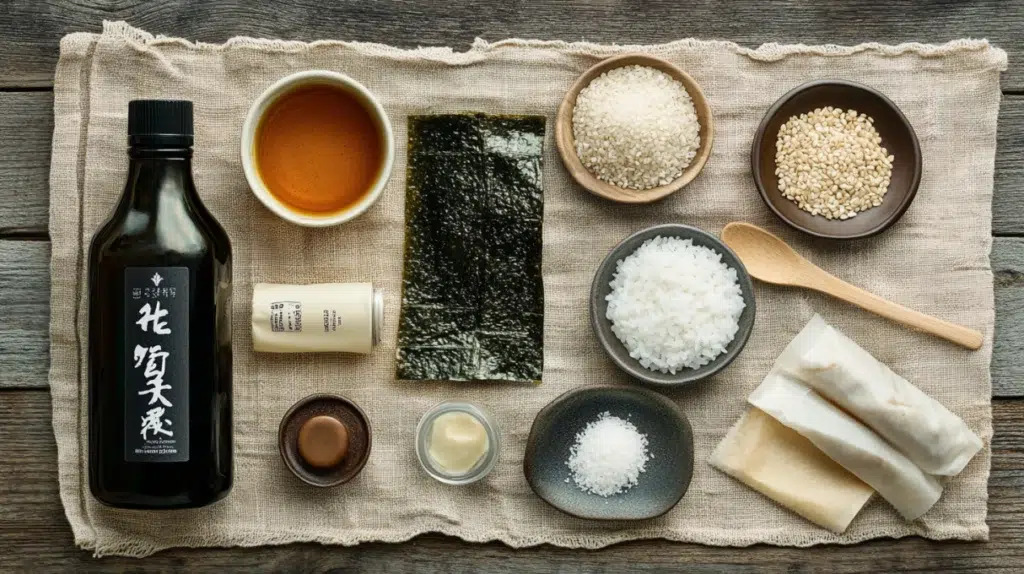
The honest picture: you need about twelve core ingredients to cook the full range of Japanese home cooking. Most of them are available at any decent Asian grocery store, several are at Whole Foods, and a few require H Mart or an online order. The initial investment is real, a good pantry setup might cost $60-80, but once you have these items, Japanese weeknight cooking becomes fast, effortless and deeply satisfying in a way that slowly accumulating random bottles of fish sauce and chili paste never quite achieves.
This guide covers every essential ingredient specifically, what it is, what it does, which brand to buy, whether there is an acceptable substitute, and exactly where to find it in the US. This is part of the Japanese recipes collection, the foundation that makes everything else possible.
The Foundation Layer: Four Ingredients That Underpin Everything
These four ingredients appear in the majority of Japanese recipes. Without them you are not cooking Japanese food, you are cooking something adjacent to it.
1. Soy Sauce (Shoyu): The Foundational Seasoning
Soy sauce is ubiquitous in Japanese cuisine, the Japanese variant shoyu is made from roasted wheat and soybeans fermented for up to a year. The fermentation produces a complex, deeply savory liquid that is simultaneously salty, slightly sweet and intensely umami, a flavor profile that no other condiment replicates.
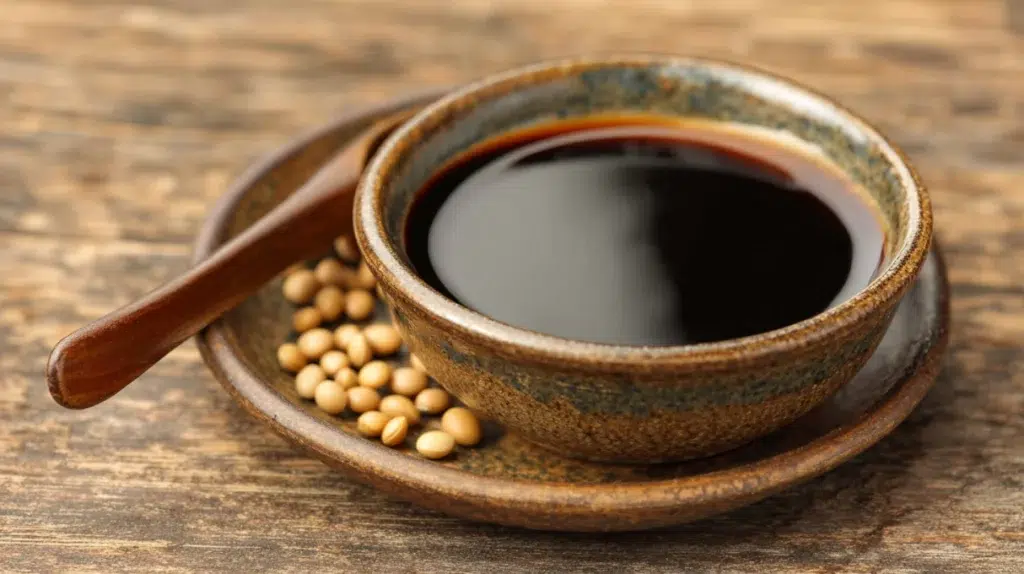
Japanese soy sauce is not the same as Chinese soy sauce. Japanese shoyu uses roasted wheat alongside the soybeans, which produces a lighter color and a more delicate, rounded flavor. Chinese soy sauce is typically darker, more assertive and saltier. They are not interchangeable in Japanese recipes, the lighter, more refined character of shoyu is what makes a teriyaki glaze or a ponzu dressing specifically Japanese rather than generically Asian.
The types you need:
Koikuchi shoyu (dark soy sauce): the standard. Used for cooking, dipping, seasoning. Accounts for over 80% of Japanese soy sauce consumption. This is what Kikkoman sells in the US.
Usukuchi shoyu (light soy sauce): lighter in color, saltier in flavor. Used when you want seasoning without darkening the color of a dish, delicate soups, pale sauces, light braised dishes. Do not confuse “light” with “low-sodium.”
Tamari: made with little to no wheat, richer and darker than koikuchi. Better for dipping sushi and sashimi. Also gluten-free.
Which to buy first: Kikkoman naturally brewed soy sauce. It is widely available, genuinely good, and made by proper fermentation rather than the chemical shortcut (hydrolyzed vegetable protein) used by cheaper brands. Buy the dark green-capped bottle for cooking.
Where to find it: Every grocery store in America.
2. Mirin: Sweet Rice Wine
Mirin is sweet Japanese rice wine used exclusively in cooking, not for drinking. It adds sweetness, a gentle sake-like depth, and a characteristic glossy sheen to sauces and glazes. The combination of soy sauce and mirin is the flavor signature of teriyaki, sukiyaki, and dozens of Japanese simmered and grilled dishes.
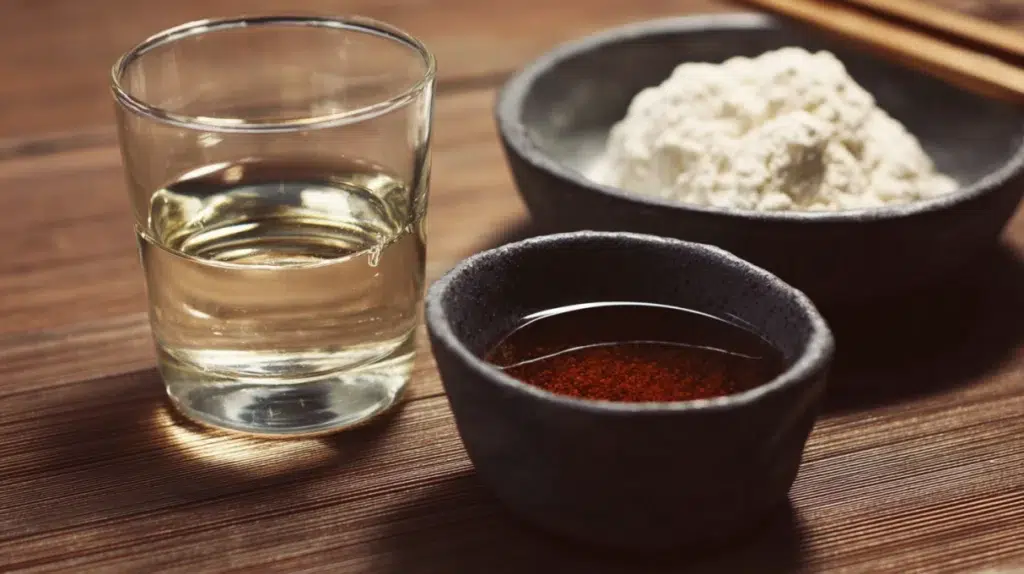
What to buy: Hon-mirin, real mirin with an alcohol content of around 14%. The label will say “hon mirin” or “true mirin.” Brands: Kikkoman hon mirin, Hinode hon mirin.
What not to buy: “Mirin-style condiment” or “aji-mirin”, these are sweetened glucose syrups with no alcohol and no depth of flavor. They make a dish sweeter but not more complex. They are cheaper and significantly inferior.
Substitute: If you absolutely cannot find hon-mirin, 1 tablespoon dry sherry plus ½ teaspoon sugar per tablespoon of mirin called for. Acceptable in a pinch. Not the same thing.
Where to find it: H Mart, Asian grocery stores, Whole Foods (increasingly), Amazon.
3. Sake: Rice Wine for Cooking
Sake used in cooking adds depth, removes fishiness from fish and seafood, and tenderizes meat. It is not the same sake you would drink, cooking sake (ryorishu) is less refined and slightly salted to make it ineligible for drinking tax purposes.
What to buy: Any inexpensive Japanese cooking sake from an Asian grocery store. Kikkoman makes a widely available cooking sake. You do not need premium sake for cooking.
Substitute: Dry sherry is the most commonly cited substitute. Dry vermouth also works. Neither replicates sake’s specific flavor but both work functionally.
Where to find it: H Mart, Japanese grocery stores. Less commonly at mainstream stores.
4. Dashi: The Stock That Defines Japanese Flavor
Dashi is the foundational stock of Japanese cooking and the most important technique to understand. It is not a pantry item exactly, it is made from pantry items, but understanding it is essential to understanding how Japanese food tastes the way it does.
Classic dashi (awase dashi) is made from two dried ingredients: kombu (dried kelp) and katsuobushi (dried bonito flakes). The method:
- Place a 10cm piece of kombu in 1 litre of cold water. Soak 30 minutes.
- Heat slowly over medium heat until just before boiling, small bubbles forming at the bottom. Remove the kombu.
- Bring to a simmer. Add a large handful (about 20g) of katsuobushi.
- Remove from heat immediately. Steep 3-4 minutes.
- Strain. The resulting liquid, pale, clean, deeply savory, is dashi.
This process takes 40 minutes total and produces something with a flavor that no commercial stock can approach. The umami from the kombu (glutamate) and the katsuobushi (inosinate) combine synergistically, the umami impact of the two together is far greater than either alone.
The shortcut: Dashi powder (hondashi) or dashi packets (teabag-style pouches of katsuobushi and kombu) produce a genuine and acceptable dashi in 3 minutes. Japanese cooks use them constantly for weeknight cooking. Buy Ajinomoto Hon-Dashi powder or Kayanoya dashi packets.
Kombu: dried kelp sheets. Buy from an Asian grocery store or Amazon. Once opened, store in an airtight container. Keeps for months.
Katsuobushi: dried bonito flakes. Sold in bags of various sizes. The freshest, most aromatic flakes make the best dashi. Also used as a garnish and topping.
The Fermented Layer: Miso and Rice Vinegar
5. Miso: Fermented Soybean Paste
Miso is a thick, salty, deeply savory paste made from fermented soybeans. It is the backbone of miso soup, a marinade for fish and meat (the famous miso-marinated black cod), a seasoning for dressings and dipping sauces, and an ingredient that appears throughout Japanese cooking wherever depth and fermented complexity are needed.
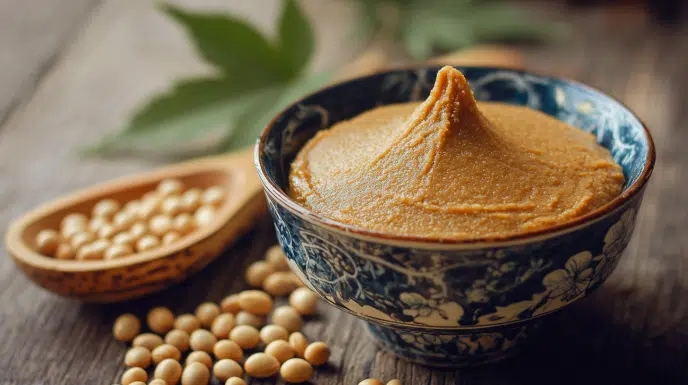
The three types for home cooking:
Shiro miso (white miso): shortest fermentation, lightest color, mildest and sweetest flavor. Used in delicate miso soups, light dressings, marinades for white fish and chicken. The most versatile for American home cooks unfamiliar with miso.
Aka miso (red miso): longer fermentation, darker color, stronger and more complex flavor with a distinct saltiness. Used in heartier soups, marinades for red meat, robust sauces.
Awase miso (mixed miso): a blend of white and red. The most widely used everyday miso in Japanese households. If you buy only one, buy this.
Which to buy: Hikari Organic Miso (white or awase) is widely available at Whole Foods and is an excellent quality. South River Miso (American-made, traditionally fermented) is exceptional if you find it.
Storage: Refrigerate after opening. Press cling film directly onto the surface to prevent oxidation. Keeps for months.
Where to find it: Whole Foods, H Mart, Asian grocery stores, natural food stores.
6. Rice Vinegar
Japanese rice vinegar is milder, less acidic and slightly sweeter than Western white vinegar or apple cider vinegar. Essential for sushi rice, sunomono (vinegar-dressed salads), ponzu sauce and pickles. Marukan and Mizkan are the standard reliable brands.
Do not substitute with standard white vinegar, the harshness will overpower the delicate seasoning balance of Japanese dishes.
The Cooking Liquids and Condiments
7. Japanese Short-Grain Rice
Japanese cooking is built on short-grain Japonica rice, specifically varieties like Koshihikari, Hitomebore or Akitakomachi. The short, plump grains become tender and slightly sticky when cooked, with a sweetness and chew that long-grain and jasmine rice cannot replicate.
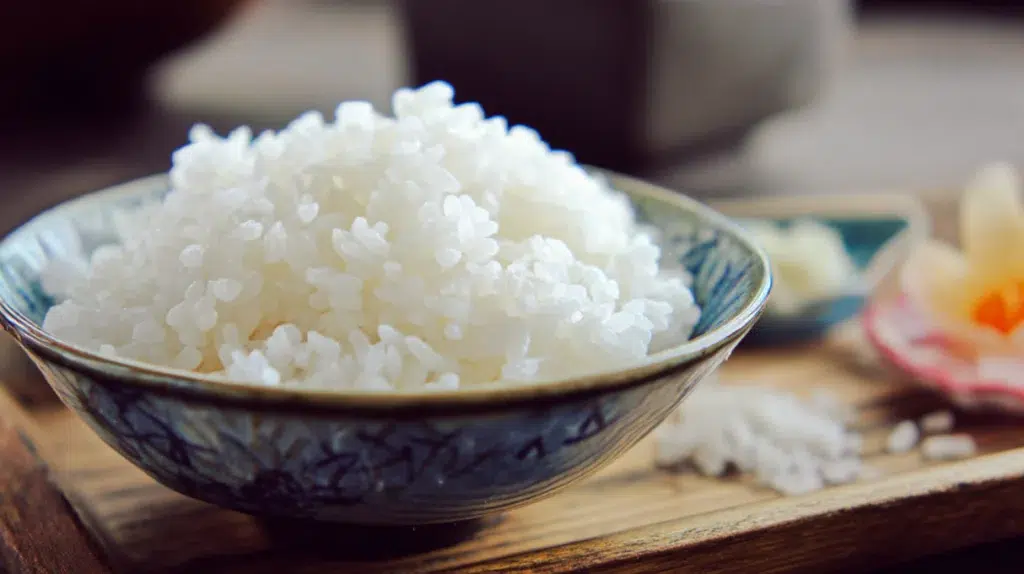
Which to buy: Nishiki, Tamaki Gold, or Tamanishiki are reliable widely available brands. All are genuine Japanese short-grain varieties grown in California.
Do not substitute with long-grain, jasmine or basmati rice in Japanese dishes. The texture is fundamentally different and produces wrong results for sushi, onigiri and everyday Japanese rice.
Where to find it: Most grocery stores now carry at least one Japanese short-grain variety. H Mart has the best selection.
8. Sesame Oil (Toasted)
Toasted sesame oil, deep amber, intensely nutty and fragrant, is used as a finishing oil in Japanese cooking, never for high-heat frying (it burns easily and loses its flavor). A few drops over finished ramen, gyoza dipping sauce, sesame-dressed spinach or cold noodles.
Which to buy: Kadoya is the standard Japanese brand. La Tourangelle toasted sesame oil is also excellent and widely available.
9. Panko Breadcrumbs
Japanese breadcrumbs made from crustless white bread, processed into large airy flakes rather than the fine crumbs of Western breadcrumbs. The larger flakes produce a lighter, crispier coating when fried, the specific texture that makes tonkatsu and karaage distinctively Japanese rather than generic fried food.
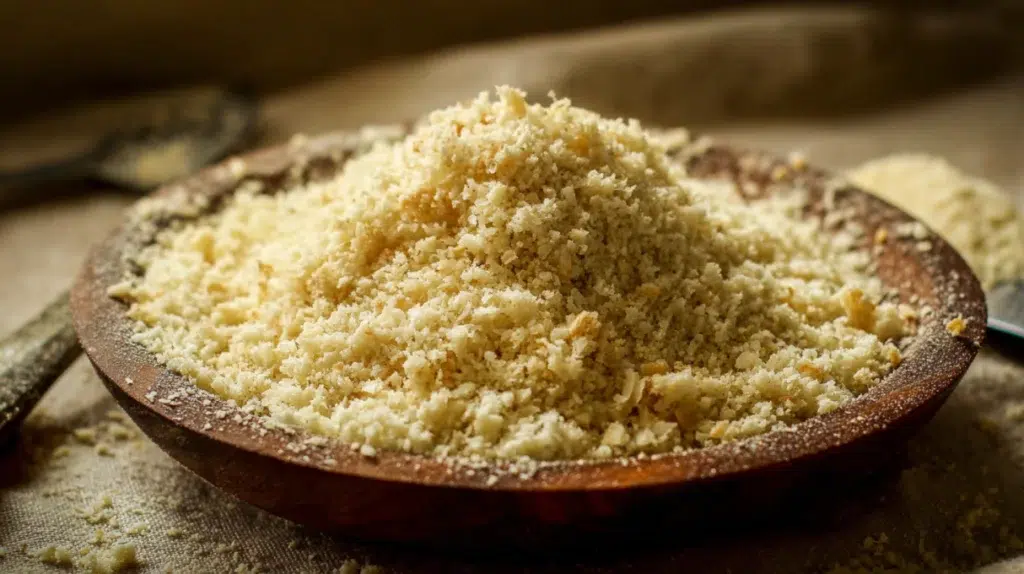
Which to buy: Ian’s or Kikkoman panko are widely available. Any panko labeled specifically “Japanese-style” works.
Where to find it: Every grocery store.
10. Japanese Mayonnaise (Kewpie)
Kewpie mayo is made with rice vinegar instead of white vinegar and uses only egg yolks rather than whole eggs, producing a richer, creamier, more umami-forward result than American mayonnaise. It is the only mayonnaise that works properly in Japanese dishes, the flavor difference from Hellmann’s is immediate and significant.
Used in: karaage dipping, okonomiyaki, Japanese potato salad, takoyaki, as a finishing drizzle on many grilled and fried dishes.
Where to find it: H Mart, Asian grocery stores, Whole Foods, Amazon. The iconic soft plastic bottle with the baby logo is unmistakable.
11. Toasted Sesame Seeds
Both white and black varieties used extensively as garnishes and in sauces. Buy pre-toasted (iri-goma) from an Asian grocery store rather than toasting raw sesame seeds yourself, the pre-toasted Japanese variety has a more developed nutty flavor.
12. Nori (Dried Seaweed Sheets)
Dried, toasted sheets of seaweed used for sushi rolls, onigiri, ramen garnishes and as a wrapper for many Japanese snacks. Buy the full-size sheets (approximately 20x18cm) rather than the small snack sheets, the full sheets have better flavor and you can cut them to size.
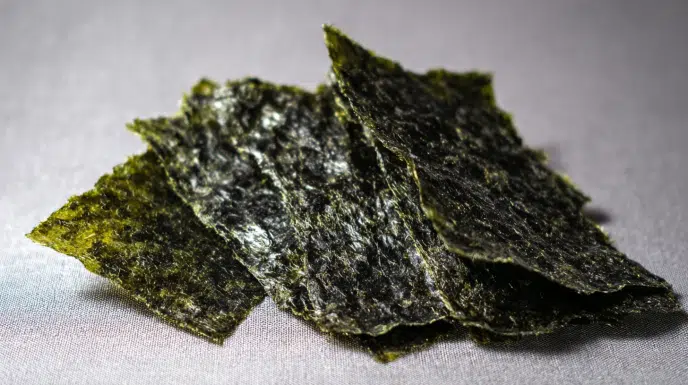
Which to buy: Yaki-nori (toasted nori) specifically. Korean roasted seaweed snacks are similar but lighter and more oily, they work as a snack but not as a structural sushi wrapper.
The Specialty Items: Worth Having Once You Are Cooking Regularly
Wasabi: real wasabi (sawa wasabi, made from fresh wasabi root) is expensive and rarely available outside Japan. Most “wasabi” served at sushi restaurants in the US is a mixture of horseradish, mustard and green food coloring. S&B wasabi paste in a tube is what Japanese home cooks use. More than acceptable.
Japanese curry roux (S&B or Vermont Curry): Japanese curry is nothing like Indian curry, it is a thick, mildly spiced, slightly sweet stew-like dish served over rice. The roux blocks sold at every Asian grocery store are exactly what Japanese families use. Not a shortcut, they are the authentic version.
Bonito flakes (katsuobushi) for garnish: beyond dashi, used scattered over hot tofu (agedashi tofu), okonomiyaki, takoyaki and many other dishes. The residual heat makes them wave hypnotically, aesthetically one of the most pleasing things in Japanese cooking.
Dried shiitake mushrooms: more intensely flavored than fresh, used in dashi and simmered dishes. Soak in cold water overnight for the most flavorful result.
Where to Buy Everything: US Sourcing Guide
H Mart: the best single source. A Korean-American supermarket chain with locations across the US that carries virtually every Japanese pantry item at reasonable prices.
Mitsuwa Marketplace: specifically Japanese. Fewer locations than H Mart but the most authentic Japanese product selection.
Whole Foods: carries Kikkoman soy sauce, mirin, miso (Hikari brand), panko, rice vinegar, sesame oil, short-grain rice. Good for weekly restocking.
Amazon: for specialty items: specific miso varieties, hon-dashi powder, dashi packets, cooking sake, Kewpie mayo, nori sheets. Often cheaper than specialty stores.
99 Ranch Market: pan-Asian grocery chain, good selection across all Asian cuisines including Japanese essentials.
Frequently Asked Questions
Can I substitute rice vinegar with apple cider vinegar?
In a pinch, use slightly less than called for, as apple cider vinegar is more acidic and has a fruitier flavor. For sushi rice the difference is significant and noticeable. For dressings and marinades it is acceptable.
Is low-sodium soy sauce the same as light soy sauce?
No. Low-sodium (less-sodium) soy sauce is regular dark soy sauce with 40% less salt. Light soy sauce (usukuchi) is a specific variety that is lighter in color but actually saltier, used when you want seasoning without darkening a dish. They are completely different products.
How long do these pantry items last?
Soy sauce, years, unopened; 6-12 months opened in the refrigerator. Miso, months to years refrigerated, quality only improves. Mirin, 1-2 years. Sake, 1 year. Rice vinegar, 2-3 years. Sesame oil, 1 year refrigerated. Dashi powder, 1-2 years sealed.
Do I need a rice cooker?
For regular Japanese cooking, yes, a basic Zojirushi rice cooker ($30-50) produces consistently perfect Japanese rice with no attention required. Without one: rinse the rice until water runs clear, use 1:1.1 rice-to-water ratio, bring to a boil, reduce to lowest heat, cover and cook 12 minutes, rest covered 10 minutes off heat.
Planning your week? Stock your Japanese pantry and add a Japanese dinner to your weekly meal planner alongside your everyday staples.
More From the Japanese Recipes Collection:
- Japanese Recipes: The Complete Guide
- Ramen Recipe: The Four Styles at Home
- Sushi at Home: Sushi Rice, Hand Rolls and What Fish to Buy
- Japanese Comfort Food: Karaage, Tonkatsu and More