Lebanese recipes represent one of the most generous, most beautiful, and most misunderstood food cultures that an American home cook can discover and once you find them properly, you will wonder how you cooked without them.
I say misunderstood because most Americans who think they know Lebanese food know hummus. Maybe falafel. Maybe a shawarma wrap from a food court. These things are genuinely delicious when made correctly, but they represent about five percent of what Lebanese cuisine actually is. The other ninety-five percent is one of the most sophisticated, most varied, most vegetable-forward food traditions in the entire Mediterranean world.
I know this because I sat in a kitchen in the Bekaa Valley with a Lebanese family and made kibbeh by hand. The Bekaa Valley has been cultivated for agriculture for over six thousand years, one of the oldest continuously farmed regions in the world, and sitting in that kitchen I felt the weight of that history in everything we cooked together.
I’m Claire Bennett, a Nashville home cook who spent four years cooking across twelve countries. This collection is part of my Mediterranean & Middle East Recipes guide. Every recipe here has been tested three times minimum, once traditionally, once adapted for US ingredients, once stress-tested under real weeknight conditions.
Table of Contents
Start Here: The Four Recipes to Make First
The Foundation: Authentic Lebanese Hummus. Made properly from dried chickpeas. The dish that shows you what Lebanese cooking actually is. Start here, always.
Family Favourite: Lebanese Chicken & Rice. Djaj bil-ruzz, spiced chicken over vermicelli rice with toasted pine nuts. The Sunday table centrepiece.
Weeknight Hero: Lebanese White Bean Stew. Fasolia bi lahme, beef and cannellini beans in a rich tomato sauce. One pot, deeply satisfying, better the next day.
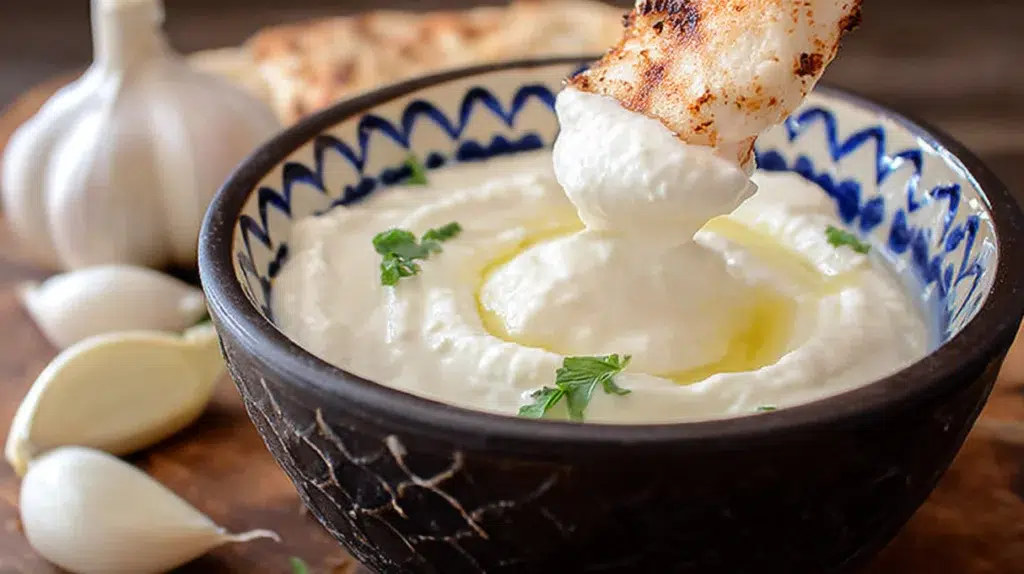
Essential Sauce: Lebanese Garlic Sauce (Toum). Fluffy, impossibly white, intensely garlicky. Goes on everything. Once you have it in the fridge, everything tastes better.
What Makes Lebanese Cuisine Unlike Anything Else
Lebanese cuisine has been recognized as one of the most influential food cultures in the Middle East, and the reason is simple: it sits at a geographic and cultural crossroads where Phoenician, Arab, Ottoman, French, and Mediterranean influences have layered over millennia into something simultaneously ancient and sophisticated.
Freshness Above Everything
Lebanese cooking uses fresh herbs, parsley, mint, cilantro in quantities that would seem excessive in most other cuisines. They are not garnishes. They are primary ingredients. A proper tabbouleh is more herb than grain. A fattoush salad is alive with mint and sumac. The freshness of ingredients is not a preference in Lebanese cooking, it is a non-negotiable commitment.
Vegetable Abundance
Lebanese cuisine is one of the most naturally vegetarian-friendly food traditions in the world, not as a modern adaptation but as a deep-rooted cultural reality. Chickpeas, lentils, eggplant, tomatoes, vine leaves, these are the foundation of the table, not the accompaniment. Dishes like Lebanese moussaka (maghmour) and Lebanese lentil soup prove that plant-based Lebanese cooking is among the most satisfying food in the world.
The Mezze Philosophy
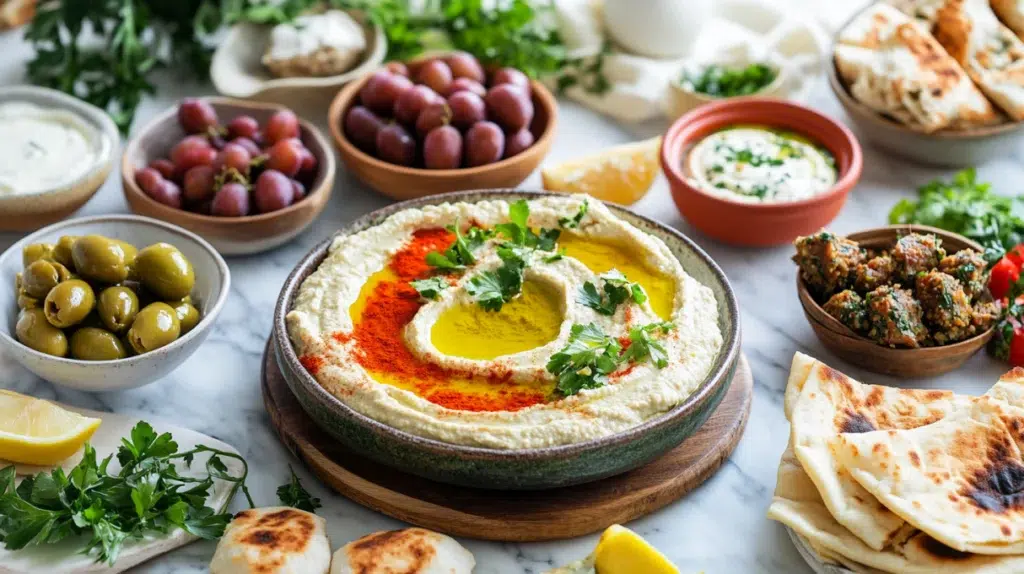
This is perhaps the most important concept in Lebanese food culture. Mezze is not an appetizer course before a main meal, it is the meal. A table with a dozen small dishes, hummus, baba ghanoush, fattoush, kibbeh, stuffed vine leaves, grilled halloumi, muhammara, labneh is a complete Lebanese meal. The generosity, the variety of flavors and textures, the social act of sharing from communal dishes, this is Lebanese hospitality expressed through food. Understanding mezze changes how you cook Lebanese food.
The Lebanese Pantry: Your Essential Starting List
The good news: Lebanese cooking uses fewer specialist ingredients than most Middle Eastern cuisines, and most of what you need is increasingly available at regular American grocery stores.
The Absolute Essentials
Tahini, sesame paste, the foundation of hummus and many sauces. Quality varies enormously, good tahini is runny, slightly bitter and deeply nutty. Look for Lebanese or Palestinian brands. Don’t use generic grocery store tahini for recipes where tahini is the star.
Sumac, dark red, tangy, slightly fruity. The flavor is like a more complex lemon. Used on fattoush, with grilled meats, sprinkled over hummus. Available at Middle Eastern grocery stores, Whole Foods, and online. One of the most useful spices you will add to your pantry, you’ll see it doing essential work in the white bean stew and across the mezze collection.
Seven Spice (baharat), the signature Lebanese blend of black pepper, allspice, cinnamon, coriander, cumin, cloves and nutmeg. Goes into kibbeh, stuffed dishes, and meat marinades. Available at Middle Eastern grocery stores or easy to make at home.
Pomegranate molasses, reduced pomegranate juice, deeply sweet-sour. Used in muhammara, marinades, and as a finishing drizzle. Available at Middle Eastern grocery stores and Whole Foods.
Good olive oil, Lebanese cooking uses olive oil generously and the quality shows. Keep a good extra-virgin for finishing and a cheaper one for cooking. The finishing olive oil is visible and tasted directly in Lebanese dishes, it must be good.
→ Read the complete Lebanese Spices Guide, every ingredient, where to buy it, what to substitute
All Lebanese Recipes: Complete Directory
Rice & Grains
- Lebanese Chicken & Rice (Djaj Bil-Ruzz), spiced chicken over vermicelli rice with toasted pine nuts and almonds. The Sunday table centrepiece.
- Lebanese Vermicelli Rice, the essential side dish. Toasted vermicelli and short-grain rice cooked together in butter. Goes with everything.
Stews & Soups
- Lebanese White Bean Stew (Fasolia Bi Lahme), beef and cannellini beans in a rich tomato sauce with garlic, cumin and cilantro. One pot, any night.
- Lebanese Lentil Soup, deeply warming, finished with lemon and cumin. The soup that shows up on every Lebanese table in winter.
- Lebanese Moussaka (Maghmour), roasted eggplant and chickpeas in a rich tomato sauce with cinnamon and dried mint. Nothing like the Greek version. Naturally vegan.
Sauces & Condiments
- Lebanese Garlic Sauce (Toum), fluffy, white, intensely garlicky emulsion. Goes on chicken, meats, vegetables, bread, everything. A game-changer once you have it in your fridge.
Mezze & Dips
- Foundation: Authentic Lebanese Hummus, made from dried chickpeas with excellent tahini. The dish that changes how you think about Lebanese cooking. Make this first.
- Classic: Lebanese Mezze: 12 Essential Dishes, the complete Lebanese mezze spread. Tabbouleh, baba ghanoush, kibbeh, stuffed vine leaves, labneh, muhammara and more.
Chicken
- Classic: Lebanese Chicken Recipes, Shawarma, Kafta & More, the full range of Lebanese chicken cooking from street-food shawarma to charcoal-grilled kafta skewers.
Baking & Sweets
- Lebanese Kaak Anise Cookies: Crisp ring-shaped cookies flavored with anise seeds and mahlab, coated in sesame. The ones in every Lebanese bakery window. Keeps for three weeks.
Guides & References
- Lebanese Spices Guide, Seven Spice & Everything Else, every spice in the Lebanese pantry, what it does, where to find it, what to substitute.
- Lebanese vs Syrian Food: The Real Differences, the most nuanced food comparison in the Middle East region, answered respectfully and specifically.
Go Deeper: Guides Worth Reading
The Lebanese White Bean Stew That Tastes Like Someone’s Kitchen
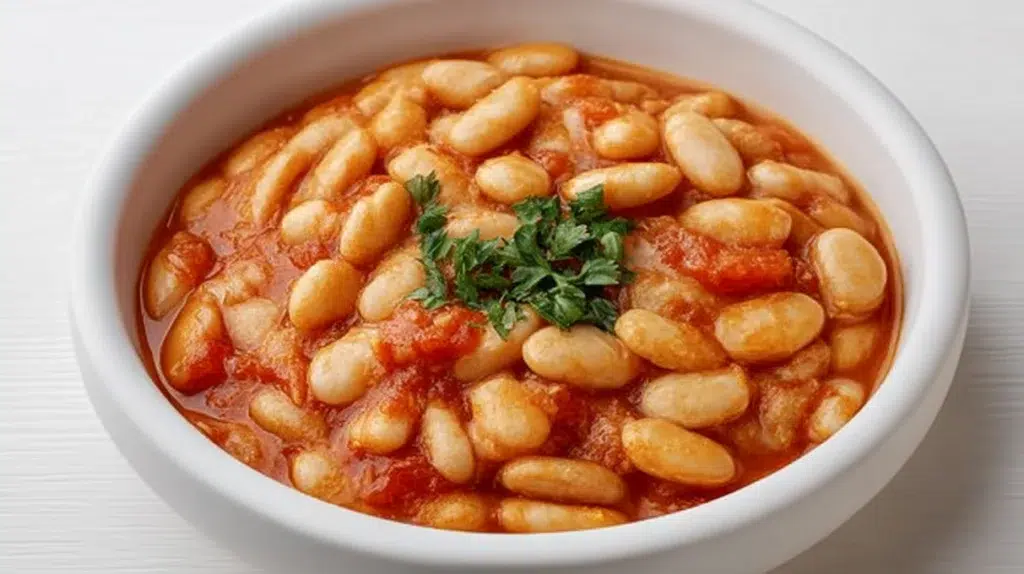
Fasolia bi lahme is one of those dishes every Lebanese household makes slightly differently and everyone eats without complaint. Beef or lamb browned in olive oil, simmered with cannellini beans in a tomato sauce built on garlic, cumin and cilantro, finished with a squeeze of lemon. One pot, deeply satisfying, and genuinely better the next day. If you’ve never made a Lebanese home-cook stew before, this is where to start.
→ Read: Lebanese White Bean Stew (Fasolia) Recipe
Lebanese Moussaka: Not What You’re Expecting
If you search for Lebanese moussaka expecting something like the Greek dish, you will be pleasantly surprised. Maghmour has nothing to do with béchamel or ground meat layered in a dish, it’s a vegan eggplant and chickpea stew simmered in tomato sauce with cinnamon and dried mint, served warm or cold with pita bread. It’s one of the most versatile recipes in this entire collection and tastes better every day it sits.
→ Read: Lebanese Moussaka (Maghmour) Recipe
Toum: The Lebanese Garlic Sauce That Goes on Everything
Toum is an emulsified garlic sauce, made from nothing but garlic, oil, lemon and salt, that turns bright white and impossibly fluffy when made correctly. It goes on grilled chicken, on shawarma, stirred into rice, spread on bread, spooned next to the Lebanese Chicken & Rice. The first time you make it successfully you will put it on everything in your fridge for a week and feel no guilt about this.
→ Read: Lebanese Garlic Sauce (Toum) Recipe
Authentic Hummus: Made the Right Way
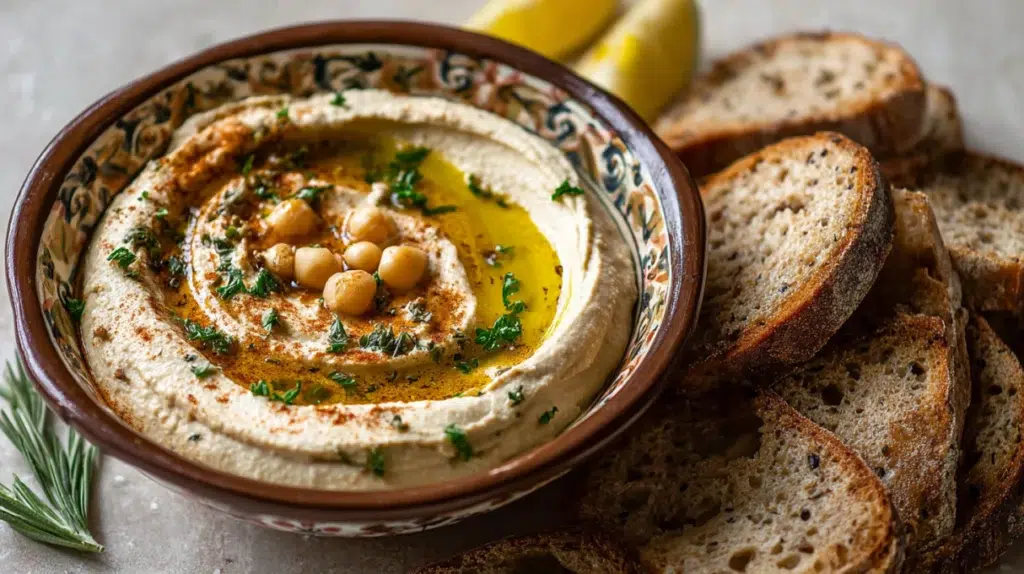
Most hummus in America is not real hummus. The thick, slightly grainy paste in plastic tubs is a commercial approximation of something that, made correctly from dried chickpeas with excellent tahini, is silky, deeply nutty, slightly tangy, and completely transformative. Real Lebanese hummus is not a dip, it is a dish. Served warm, drizzled with olive oil, scattered with paprika, eaten with fresh bread.
→ Read: Authentic Lebanese Hummus Recipe
Lebanese Food Culture: Things Worth Knowing Before You Cook
Karam: Hospitality as a Way of Life
Lebanese hospitality is legendary and it is expressed almost entirely through food. The Arabic concept of karam, generosity, hospitality is central to Lebanese cultural identity, and in practice it means that a guest at a Lebanese table will be fed until they cannot eat another bite and then offered more.
This hospitality shapes how Lebanese food is cooked in generous quantities, with care for every detail, with the goal of making the people at your table feel genuinely welcomed and loved. Cooking Lebanese food is an act of care. Understanding this changes how you approach the recipes.
Bread at Every Meal: Without Exception
Lebanese flatbread, khubz is present at every Lebanese meal. It is used to scoop hummus and dips, to wrap meat, to tear and share. Lebanese bread is thinner and more pliable than most American pita.
If you can find fresh-baked Lebanese or Armenian bread from a Middle Eastern bakery, the difference is dramatic. If not, warm your pita in a dry pan for 30 seconds per side immediately before serving. It matters more than it seems.
The Importance of Lemon
Lebanese cooking uses lemon in quantities that will seem excessive until you taste the result and understand it is not excessive at all, it is calibrated. Fresh lemon juice finishes hummus, dresses tabbouleh, brightens grilled meats, cuts through the richness of tahini. Always fresh, never bottled. Keep lemons in your kitchen at all times if you are cooking Lebanese food regularly.
Olive Oil as a Finishing Element
Lebanese cooking uses olive oil for cooking, but the most important use is the finishing drizzle, over hummus, over labneh, over baba ghanoush, over grilled vegetables. A generous pour of excellent olive oil just before serving lifts a dish from good to extraordinary. In Lebanese cooking the finishing olive oil is visible and tasted directly. It must be good.
The Kibbeh Story: Why This Dish Changed Everything for Me
I want to tell you about the kibbeh afternoon in the Bekaa Valley because it explains something about Lebanese cooking that recipes alone cannot convey. Kibbeh is a dish of finely ground lamb mixed with bulgur wheat and seven spice, shaped by hand into oval torpedoes, stuffed with a filling of spiced ground meat and toasted pine nuts and onion, and either baked or fried until golden.
The shaping requires a technique I watched the mother of the family perform with four seconds of confident movement and spent an afternoon learning by repetition.
By the tenth attempt mine were passable. By the thirtieth they were something I was genuinely proud of. By the end of the afternoon I understood what she had been teaching me without words, that some techniques only exist in the hands, and the hands only learn through repetition. That is the spirit behind every Lebanese recipe in this collection.
FAQs About Lebanese Cooking
Is Lebanese food very spicy?
No, Lebanese cooking is warmly spiced but not hot. Seven spice, allspice, cinnamon, cumin, these are warm and aromatic rather than fiery. Heat, when it appears, comes from fresh chiles added as optional garnish or from harissa served on the side. The base cuisine is very accessible for the whole family, including children.
What is the difference between Lebanese and Greek food?
Both are Mediterranean cuisines with significant overlap, olive oil, fresh vegetables, grilled meats, dairy. The differences are in the spice palette (Lebanese uses seven spice, allspice and sumac; Greek uses oregano, dill and lemon more heavily), in the grain tradition (Lebanese uses more bulgur and rice, Greek more phyllo and pasta), and in fermented traditions. Both are extraordinary cuisines with different logic.
Where do I find Lebanese ingredients in the US?
Middle Eastern grocery stores are the best source for tahini, sumac, seven spice, pomegranate molasses, and za’atar. Whole Foods and many specialty grocery stores now carry tahini, sumac and pomegranate molasses reliably. Online — Amazon and specialty food sites carry virtually everything. The full sourcing breakdown is in the Lebanese Spices Guide.
Do I need specialist equipment for Lebanese cooking?
A food processor is genuinely useful, for making hummus smooth enough, for the kibbeh mixture, for toum. A blender works for hummus. Beyond that, a heavy skillet, a baking sheet, a sharp knife. Nothing specialist or expensive. Everything in this collection was cooked in a regular Nashville home kitchen.
What should I make first if I’ve never cooked Lebanese food?
Start with the authentic hummus, it will immediately show you the difference between Lebanese cooking done properly and what you’ve had before. Then make the Lebanese white bean stew for an easy weeknight dinner. Then try the Lebanese chicken and rice for a weekend meal that will become a regular on your table.
Is Lebanese food vegetarian-friendly?
Very much so, Lebanese cuisine is naturally one of the most plant-forward food traditions in the Mediterranean world. The Lebanese moussaka, the lentil soup, the hummus, and the entire mezze tradition are all naturally vegan or vegetarian. Meat appears in Lebanese cooking but it is never the only option at the table.
How I Test Every Lebanese Recipe
Lebanese cooking has particular challenges for US home cooks. The ingredients matter significantly, good tahini, real sumac, fresh bulgur wheat, and I am transparent in every recipe about which substitutions are acceptable (canned chickpeas in hummus on a weeknight — fine), which are not (bottled lemon juice, never), and where to find the real ingredients in the US.
The Three-Cook Process Every recipe here goes through three cooks before publication. First cook follows the authentic traditional method as closely as possible. Second cook adapts for US ingredient availability and home kitchen equipment. Third cook stress-tests under real weeknight conditions, tired, fast, no special equipment. If it passes all three, it goes on the site. If it doesn’t, it goes back to step two. No shortcuts. No exceptions.
Lebanese cooking rewards generosity with ingredients, with time, with the people at your table. The more you cook from this collection, the more you’ll understand why Lebanese food has endured and spread and been loved by every culture that encounters it. It is food that carries care in every dish.
Start with hummus. Make it properly. Everything else will follow naturally from there.
Claire Bennett is a Nashville-based home cook who spent four years learning to cook across twelve countries, including an afternoon in the Bekaa Valley making kibbeh by hand with a family who taught her more about Lebanese cooking than any recipe ever could.
→ Read Claire’s full story · → Browse all Mediterranean & Middle East Recipes · → RecipeWorldly Home