This Mexican pantry guide exists because of a mistake I made early on.
When I first started cooking Mexican food seriously, this was Nashville, 2022, fresh back from Oaxaca with four notebooks and a suitcase full of spice samples, I went to Kroger and tried to approximate what I needed from what was already on the shelves. Generic chili powder. Bell peppers standing in for poblanos. Regular cornmeal where masa harina should have been.
The results were… look. They were fine. They were edible. They tasted vaguely Mexican the way that a postcard of Paris looks vaguely like being in Paris. The real thing requires the real ingredients. And most of those real ingredients, this is the part that surprised me, are much more accessible in American grocery stores than people realize.
This guide is everything I wish I’d had before that first attempt. Every ingredient explained, every substitution noted, every sourcing option covered. Before you cook a single recipe from my Mexican recipes collection, spend 10 minutes here. It will make every dish you make taste dramatically better.
The Dried Chiles: Start Here, Everything Else Follows
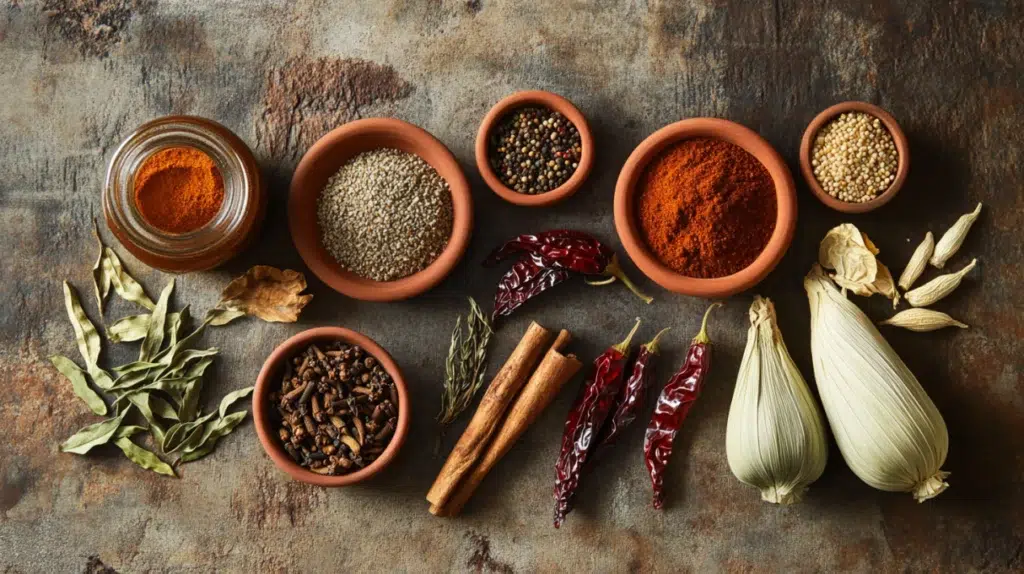
Chile peppers were first domesticated in Mexico and Central America thousands of years ago, and the diversity of dried chile varieties that Mexican cuisine uses today is the direct result of millennia of cultivation and culinary development. Understanding even five or six of these chiles transforms your cooking completely.
The important thing to grasp upfront: dried chiles are not interchangeable. Each variety has a specific flavor profile, fruity, earthy, smoky, bright, dark, bitter, and a specific heat level. Using the wrong chile gives you a different dish, not just a slightly different version of the same dish.
Here are the ones you need:
Ancho: your most important dried chile
The ancho is a dried poblano pepper and it is the foundation of more Mexican sauces than any other single chile. Deep reddish-brown, wrinkled, with a mild heat and a complex fruity flavor with hints of chocolate and dried plum. It goes into moles, enchilada sauces, marinades, braises, essentially everything.
Where to find it: The Mexican foods aisle at Kroger, Walmart, or any major grocery store. Almost universal availability now.
Guajillo: the bright one
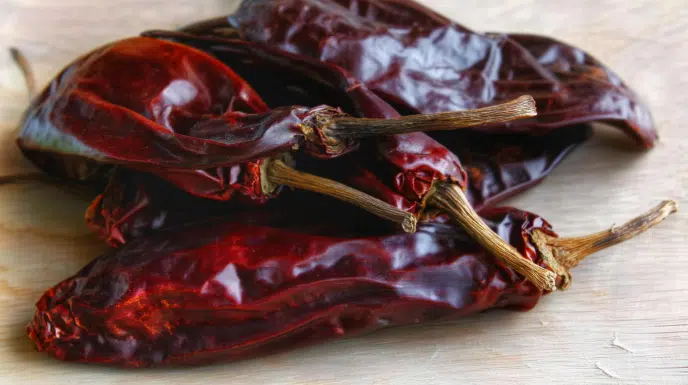
Long, smooth-skinned, deep red. The guajillo has a tangy, slightly berry-like flavor and a mild to medium heat. It provides brightness and color to sauces where the ancho provides depth and earthiness. These two chiles together are the backbone of a huge proportion of Mexican red sauces.
Where to find it: Same as ancho, widely available at major grocery stores.
Chipotle: the smoky one
A chipotle is simply a smoked and dried jalapeño. Available in two forms, dried whole chipotles, and canned chipotles in adobo sauce. The canned version in adobo is at every single grocery store in America and is one of the most useful Mexican pantry items for everyday cooking. A single chipotle in adobo adds smokiness, heat, and depth to anything, salsas, marinades, soups, stews, braised meats.
Where to find it: Every grocery store, every time. This one you have no excuse not to have.
Mulato: the dark complex one
Darker than the ancho, with a deeper earthier flavor that has notes of chocolate, licorice, and dried cherry. Goes into mole negro and other complex dark sauces. Less widely available than ancho or guajillo, check Whole Foods, Latin grocery stores, or order online.
Pasilla: the rich one
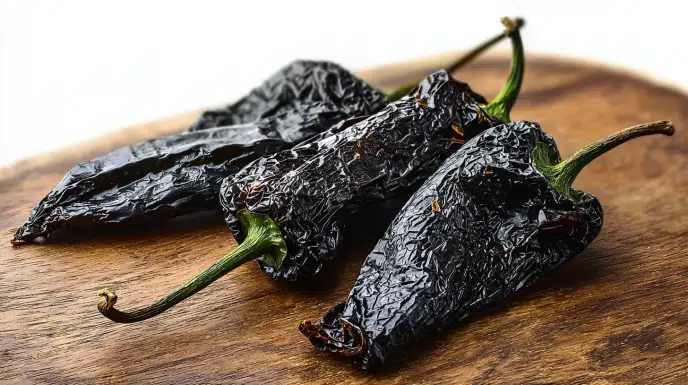
Long and thin, very dark brown-black, with a rich flavor somewhere between ancho and mulato. Less fruity than ancho, more earthy. Used in moles and complex sauces. Same availability as mulato.
Árbol: the hot one
Tiny. Thin. Disproportionately spicy. Chile de árbol is the heat chile in Mexican cooking, a few go a long way. Used in salsas, infused in oil, crumbled over finished dishes. Available at most grocery stores.
Chilhuacle negro, the mole negro essential
The specific chile that gives mole negro its characteristic dark color and deep bitter complexity. Not widely available at standard grocery stores, check Latin specialty stores or order online. Worth finding if you’re making mole negro. Cannot be properly substituted.
Masa Harina: The Foundation of Mexican Cooking
If dried chiles are the heart of Mexican cuisine, masa harina is the skeleton, the structural foundation that everything else is built around. It is the flour made from nixtamalized corn that makes corn tortillas, tamales, sopes, tostadas, and countless other dishes possible.
Maseca is the brand you want. It is at every Kroger, Walmart, Target, and major grocery store in the Mexican foods aisle. Buy it. Keep it stocked.
Do not substitute cornmeal, corn flour, or polenta. None of them have been through the nixtamalization process and none of them will work.
Fresh Ingredients: The Non-Negotiables
Tomatillos
This one surprises people. Tomatillos are not unripe tomatoes, they are an entirely different plant in the nightshade family, related to the cape gooseberry, covered in a papery husk that you remove before cooking. They have a bright, tart, slightly citrusy flavor that forms the base of salsa verde and many green sauces.
Available fresh at most major grocery stores now, usually in the produce section near the peppers and jalapeños. Remove the husk, rinse off the slightly sticky coating, and they’re ready to use.
Jalapeños and Serranos
Your fresh heat chiles. Jalapeños are milder and more widely familiar, serrano chiles are smaller, hotter, and more intensely flavored. Both available at every grocery store.
White Onion
Mexican cooking specifically uses white onion, not yellow, not red. White onion has a sharper, cleaner flavor that works better in the cuisine’s flavor profile. Small difference but a real one.
Limes
Always limes in Mexican cooking. Not lemons. The flavor is different, sharper, more aromatic, more specifically right. Keep a bag of limes in your fridge if you cook Mexican food regularly.
Fresh Cilantro
Used as a finishing herb in almost everything. Added at the end, not cooked in. Non-negotiable. If you are a person who finds cilantro tastes like soap, this is a genetic trait affecting roughly 10% of the population, and I genuinely sympathize. Fresh flat-leaf parsley is the closest substitute in terms of freshness and color, though the flavor is different.
Pantry Staples: The Supporting Cast
Mexican oregano
Sharper and more citrusy than Mediterranean oregano, they are different plants with genuinely different flavors. Available at Latin grocery stores and online. Worth getting the real thing.
Cumin
Used throughout Mexican cooking. Buy whole seeds and toast and grind fresh when you can, the difference in flavor is significant.
Cinnamon: Mexican canela specifically
Mexican cinnamon (canela) is Ceylon cinnamon, softer, more delicate, more complex than the Cassia cinnamon in most US grocery stores. Used in moles and some sauces. Available at Latin grocery stores and Whole Foods.
Lard
Traditional Mexican cooking uses lard for tamales, refried beans, and some sauces. The flavor difference between lard and oil is real and significant. Available at most grocery stores, look for Manteca brand in the Latin foods section. If lard is a hard stop, use a neutral vegetable oil, but know what you’re trading.
Black beans and pinto beans
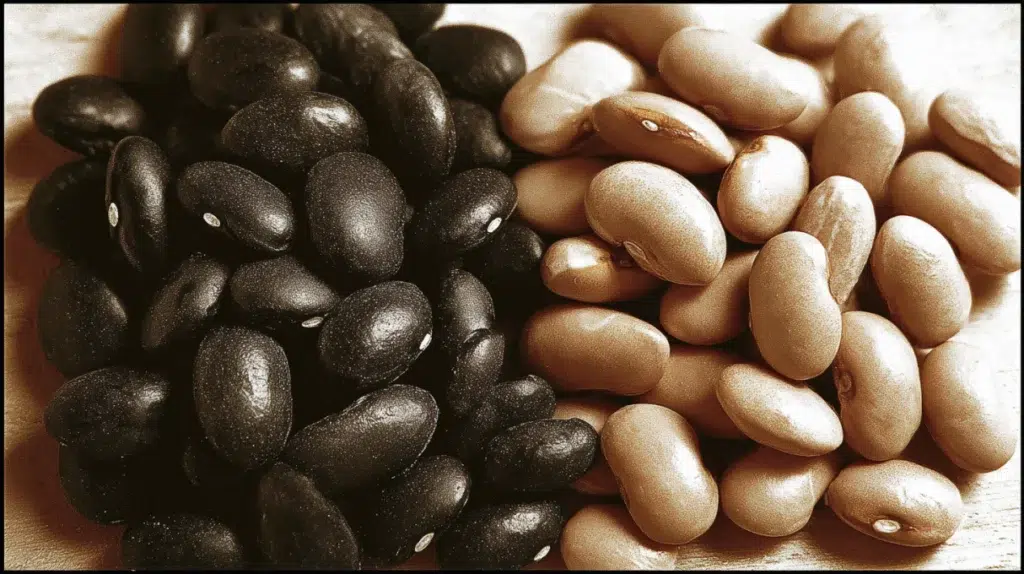
Dried are better than canned for most purposes but canned work perfectly well for weeknight cooking. Keep both.
Chipotle in adobo
Already mentioned in the chile section but worth repeating here because this is one of the single most useful ingredients in the Mexican pantry and it is at every grocery store. Buy two cans. Keep them in the fridge after opening.
Mexican chocolate
Ibarra brand is at most major grocery stores in the Mexican foods aisle. Slightly grainy, spiced with cinnamon and almonds, used in mole negro and hot chocolate. If unavailable, use 70%+ dark chocolate with a pinch of cinnamon.
Where to Buy Everything: Your Complete Sourcing Guide
At any regular grocery store (Kroger, Walmart, Publix): Ancho chiles, guajillo chiles, chipotle in adobo, masa harina (Maseca), jalapeños, serranos, tomatillos, white onion, limes, cilantro, cumin, canned beans, Mexican chocolate (Ibarra), lard
At Whole Foods or specialty grocery stores: Mulato and pasilla chiles, Mexican oregano, canela (Ceylon cinnamon), fresh masa, epazote, higher quality masa harina
At Latin grocery stores (if you have one nearby, worth finding): Everything above at significantly better prices, plus chilhuacle negro chiles, fresh masa by the pound, Mexican crema, cotija and queso fresco, regional chile varieties, fresh tortillas, dried epazote
Online (Amazon, Rancho Gordo, Melissa’s Produce): Chilhuacle negro chiles, specialty dried chiles, heirloom beans, Mexican oregano, canela, high-quality masa harina, anything you can’t find locally
Build Your Pantry in Three Stages
You don’t need everything at once. Here is how I’d approach it:
Stage 1: Start here (everything at a regular grocery store): Maseca masa harina, ancho chiles, guajillo chiles, chipotle in adobo, cumin, Mexican chocolate, jalapeños, tomatillos, limes, cilantro, white onions
With just these ingredients you can make corn tortillas, a basic red sauce, salsa verde, enchiladas, and most of the Mexican street food recipes on this site. That’s 80% of everyday Mexican cooking covered.
Stage 2: Expand when ready: Mulato and pasilla chiles, Mexican oregano, canela, lard, epazote, fresh masa when available
Stage 3: The deep pantry (for serious Mexican cooking): Chilhuacle negro chiles, specialty regional ingredients, heirloom beans, fresh masa regularly, Mexican crema, cotija and queso fresco
By Stage 3 you will be making mole negro and feeling genuinely confident about it. Stage 1 is where you start, and Stage 1 is already enough to cook extraordinarily well.
A Note on Substitutions
Throughout the recipes in this collection I note substitutions for specialty ingredients because I know that not everyone has a Latin grocery store nearby and not every ingredient is worth a special online order for a first attempt.
But I want to be honest about something: substitutions work. They produce good food. They are not the same as the real ingredients and I will always tell you what you’re trading when you use them. The goal is always to get you to make the recipe, with whatever you can access, and then go find the real ingredients once you’ve tasted what the dish can be.
That is how Dona Carmen would have wanted it. Make the food. The ingredients will follow.
Head back to the complete Mexican recipes collection and start cooking, or jump straight to Mexican vs Tex-Mex if you want to understand the cuisine before you dive into the kitchen.