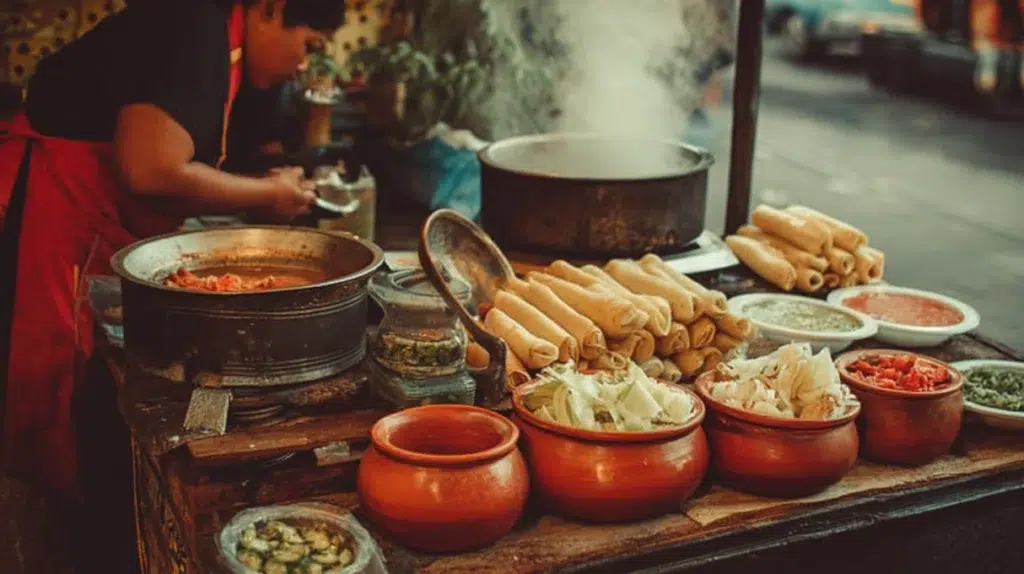
The best Mexican street food recipes I know came from standing on streets.
Not from cookbooks. Not from restaurant menus. From sidewalks and market stalls and food carts and the particular kind of sensory overwhelm you get when you’re in a Mexican mercado at noon and there are twelve different things cooking simultaneously within ten feet of you and you have to make decisions quickly because everything smells extraordinary and you are very, very hungry.
Mexico City has been ranked among the world’s greatest street food cities, and anyone who has eaten their way through a Mexican market knows exactly why. The food is fast, deeply flavorful, built on centuries of technique, and costs almost nothing. It is also, and this is the part that surprises people, almost entirely reproducible at home with ingredients available at a regular grocery store.
This is part of my Mexican recipes collection, and this might be the most joyful section of it. Mole negro requires patience and a Sunday afternoon. These recipes require a hot skillet, a lime, and about 20 minutes.
Let’s get into it.
What Mexican Street Food Actually Is
Before we get into the recipes, I want to reframe something that I think American food culture gets wrong about Mexican street food.
Street food in Mexico is not cheap food or fast food in the way we think of fast food in the US. It is not a lesser version of a restaurant meal. It is its own tradition, often more technically refined, more regionally specific, and more deeply rooted in culinary history than what you’d find in many sit-down restaurants. The taquero who’s been making tacos al pastor at the same corner for twenty years has a level of mastery at that specific thing that very few professional chefs can match.
Eating street food in Mexico is participating in a living culinary tradition. Making it at home is an attempt to honor that tradition by understanding it properly, not approximating it with shortcuts, but actually learning why each element is the way it is.
That is the spirit of everything in this list.
Mexican Street Food Recipes: Everything Worth Making
1. Tacos al Pastor: The Iconic One
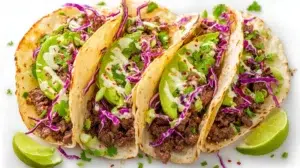
If there is one Mexican street food dish that defines the category for most people, it is tacos al pastor. Thin slices of achiote-marinated pork, cooked on a vertical spit called a trompo, shaved off directly onto small corn tortillas with a slice of fresh pineapple, chopped white onion, and cilantro.
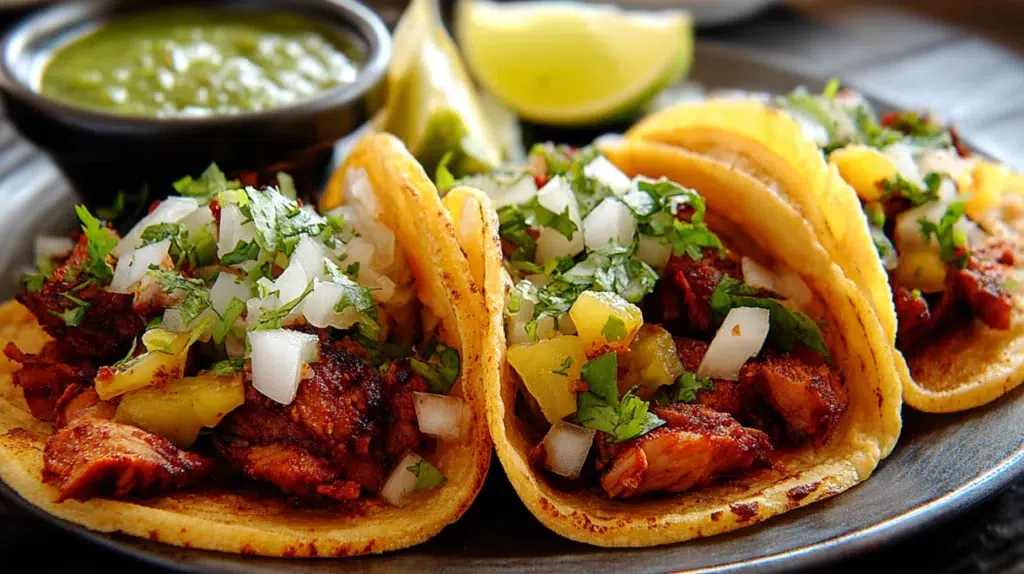
Tacos al pastor were influenced by Lebanese immigrants who brought shawarma to Mexico in the early 20th century, the vertical spit cooking method is directly adapted from the shawarma technique. What happened next is one of the great culinary fusions in food history: Mexican cooks took that technique, applied it to pork (not lamb), marinated the meat in achiote and dried chiles and Mexican spices, added pineapple, put it on a corn tortilla, and created something that is now one of the most beloved street foods in the world.
You don’t have a vertical spit at home. Neither do I. The solution, marinate the pork overnight in the same achiote-chile paste, layer the slices in a cast iron skillet and sear in batches until caramelized at the edges, then add the pineapple at the end. The flavor is not identical to the spit-roasted version. It is very, very good.
The marinade (make night before):
- 3 dried ancho chiles, soaked and blended smooth
- 2 chipotle chiles in adobo
- 3 tablespoons achiote paste (available at Latin grocery stores or online)
- 4 cloves garlic
- ½ white onion, roughly chopped
- 2 tablespoons apple cider vinegar
- 1 teaspoon cumin
- 1 teaspoon Mexican oregano
- 1 teaspoon salt
- 500g (about 1 lb) pork shoulder, sliced thin
Blend everything except the pork until smooth. Coat the pork slices completely and marinate overnight. Sear in a very hot cast iron skillet in batches until charred at the edges. Serve on small corn tortillas with diced pineapple, white onion, fresh cilantro, and lime.
Time: 20 minutes cook time + overnight marinade | Difficulty: Easy
2. Elote: Mexican Street Corn
Elote is grilled corn on the cob slathered with mayonnaise, cotija cheese, chili powder, lime juice, and sometimes hot sauce. It is one of those foods that sounds simple and tastes like the best thing you’ve ever eaten on a summer evening.
The mayonnaise is not optional and I know that sounds wrong. The mayo is what makes this work, it acts as the adhesive that holds the cotija and chili powder to the corn while also adding a creamy richness that counterbalances the char of the grill and the brightness of the lime. Without it you just have grilled corn with cheese falling off it. With it you have elote.
How to make it: Grill or char corn directly over a gas flame, or under a broiler if you don’t have a grill, until deeply charred in spots. Spread mayonnaise generously over the entire cob while still hot. Roll in crumbled cotija cheese (Parmesan works as a substitute). Dust generously with chili powder or Tajín. Squeeze lime juice over everything. Eat immediately, standing if possible. It’s that kind of food.
Time: 15 minutes | Difficulty: Laughably easy
3. Esquites: Elote in a Cup
Esquites is essentially elote deconstructed, the corn cut off the cob, mixed with the same toppings, and served in a cup with a spoon. It originated as a way to eat street corn more easily. It is also, and I say this with full awareness that this is a controversial opinion, better than elote. You get more topping in every bite. The corn to mayo to cotija to lime ratio is more controllable. And you don’t end up with chili powder on your shirt.
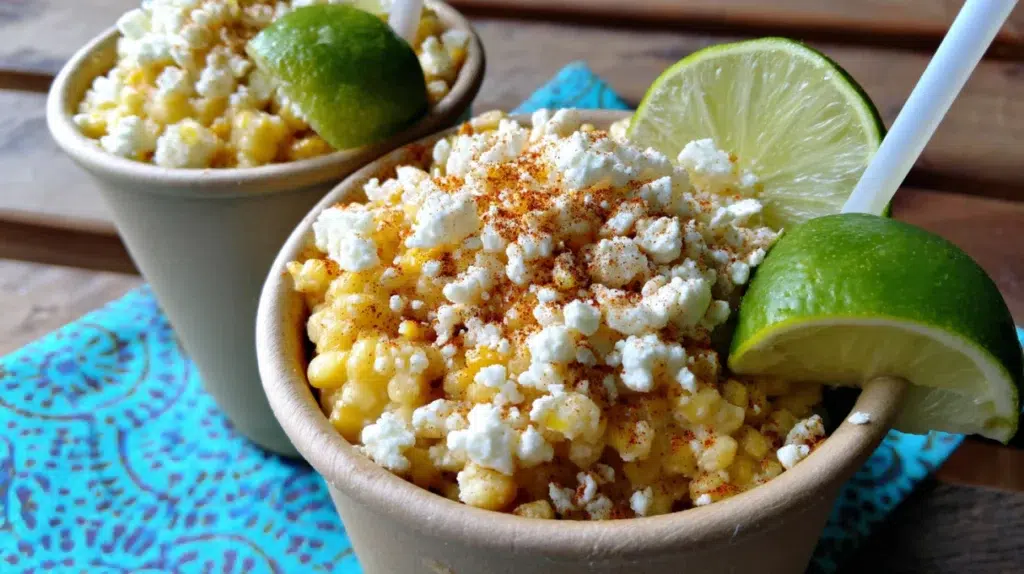
Same ingredients as elote, just cut the corn off the cob after charring, toss everything together in a bowl, and serve in cups. Add a small amount of the corn cooking water or vegetable broth to make it saucier if you like.
Time: 15 minutes | Difficulty: Very easy
4. Tostadas: The Open-Face Taco
A tostada is a flat, crispy fried or baked corn tortilla used as a base for toppings. It is essentially an open-face taco, less portable, more architecturally ambitious, absolutely delicious.
The beauty of tostadas is their flexibility. The base is the same every time, a crispy corn tortilla fried in oil or baked until rigid. What goes on top is completely variable. The most classic versions:
Tostada de tinga: Shredded chicken in a chipotle-tomato sauce, topped with crema, sliced avocado, and crumbled cotija.
Tostada de ceviche: Fresh shrimp or fish ceviche, lime-cured with tomato, jalapeño, white onion, and cilantro, piled onto a tostada and eaten immediately before it goes soggy. One of the great eating experiences.
Tostada de frijoles: Refried black beans spread thick on the tostada, topped with crumbled cotija, sliced jalapeño, and a drizzle of crema. Simple, filling, and I would argue, the most satisfying version when you’ve made the beans properly with good lard and proper seasoning.
Time: 20 minutes for the toppings | Difficulty: Easy
5. Sopes: Thick Masa Rounds with Toppings
Sopes are thick, small masa rounds with raised edges that act as a bowl, filled with refried beans, meat or vegetables, crema, salsa, and crumbled cheese. They are the heartier, more substantial cousin of the tostada.
Making sopes is the same process as making corn tortillas, same masa dough, same pressing technique, but thicker and smaller, about 1cm thick and 8cm in diameter. After pressing you partially cook them on a dry comal, then while still warm, pinch up the edges all around to create a raised border. Then finish cooking and fill.
They take a little more technique than tostadas but they are spectacular. The thick masa base absorbs the toppings without going soggy and has a slightly different, chewier texture than a tortilla that is really satisfying.
Time: 35 minutes | Difficulty: Medium, requires corn tortilla technique from scratch
6. Agua Fresca: The Essential Drink
Not food, but inseparable from the street food experience. Agua fresca is a lightly sweetened, fruit-infused water served at Mexican food stalls alongside everything else. Hibiscus (jamaica), tamarind, cucumber-lime, watermelon, horchata, the varieties are endless.
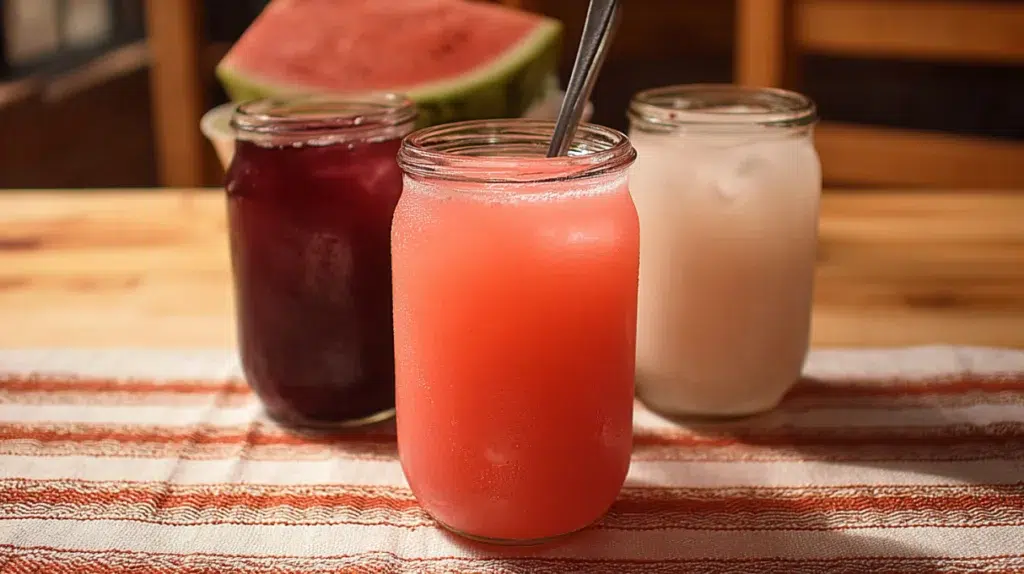
The simplest and most universally loved version is agua de jamaica, hibiscus flowers steeped in water with sugar and lime. It is bright red, tart, floral, slightly sweet, and the perfect counterpart to spicy, rich street food.
To make it: Steep 1 cup of dried hibiscus flowers in 4 cups of boiling water for 10 minutes. Strain. Add sugar to taste (start with 3-4 tablespoons), the juice of 2 limes, and 4 more cups of cold water. Serve over ice. It is perfect and it takes 15 minutes including steeping time.
Dried hibiscus flowers (flor de jamaica) are available at Latin grocery stores, Whole Foods, and Amazon.
Time: 15 minutes | Difficulty: Extremely easy
7. Tamales: The Festive One
I’m including tamales here because they are sold as street food throughout Mexico, particularly at markets and during festivals, even though they take significantly more time and effort than the other dishes in this list.
Tamales are masa dough spread on corn husks, filled with seasoned meat or beans or cheese or chiles or sweet fillings, folded, and steamed. The masa absorbs the steam during cooking and becomes tender and slightly spongy in a way that is completely distinctive.
They are a project. They are absolutely worth the project. They are also traditionally made in large batches with multiple people working together, and there is something about making tamales with other people that feels specific and right. A tamalada, a tamale-making party, is one of the great Mexican food traditions and one I’ve adopted entirely in my Nashville kitchen every December.
Full tamale recipe coming soon to the Mexican recipes collection.
Time: 3+ hours | Difficulty: Medium-high, a weekend project
The Street Food Pantry: What You Need on Hand
Most of these recipes use the same core ingredients. Stock these and you can make almost everything in this list on any given night:
Fresh corn tortillas (or masa harina to make them), see the corn tortillas recipe Chipotle chiles in adobo, at every grocery store Cotija cheese, at most grocery stores, Parmesan as substitute Mexican crema, at Latin grocery stores, sour cream as substitute Fresh limes, always limes, never lemons Fresh cilantro and white onion Avocados Dried ancho and guajillo chiles, see the Mexican pantry guide
That is genuinely enough to make tacos al pastor, elote, tostadas, and agua fresca on a Tuesday night with 30 minutes of cooking time. Which is, I’d argue, one of the best possible uses of a Tuesday night.