⏱ Prep: 20 min 🔥Bake: 1 hr 10 min 👤Serves: 6 Style: Korean-American
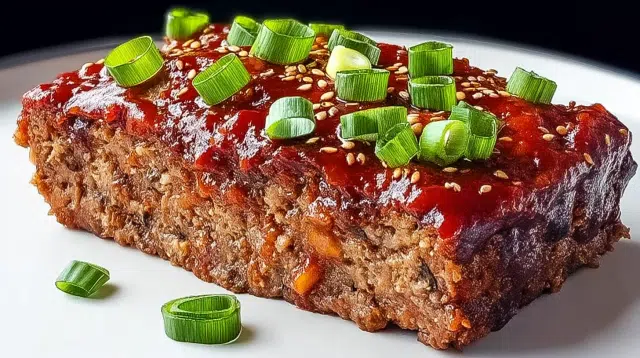
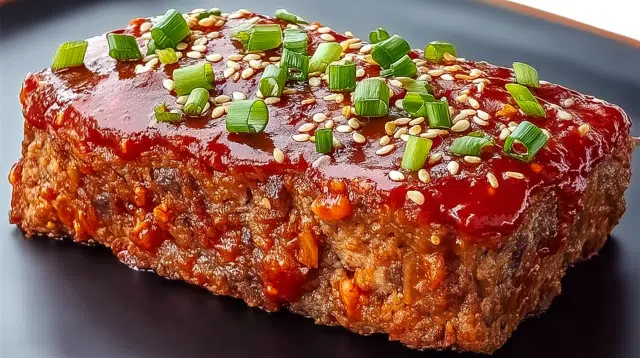
Korean meatloaf with gochujang glaze takes the American comfort food formula, ground meat, breadcrumbs, eggs, baked in a loaf and runs it through a Korean pantry: gochujang, soy sauce, sesame oil, ginger and garlic in the meat itself, and a sticky gochujang-honey glaze applied in two stages so it caramelises into a deep, lacquered finish on the outside. The interior stays tender and juicy. The outside is spicy-sweet and slightly charred at the edges.
Two technique details make the difference between a dry, crumbly meatloaf and one that slices cleanly and stays moist through reheating. First: soak the panko in milk before it goes into the meat, this is the panade, the classic meatloaf moisture-retention technique. Second: don’t overmix. The meat goes in last and is mixed only until just combined. Both steps take 60 seconds each and the result is completely different from skipping them.
Ingredients
For the meatloaf
- 500g (1 lb) lean ground beef, provides the meaty backbone and structure
- 300g (⅔ lb) ground pork, the fat in ground pork is what keeps meatloaf moist. All-beef meatloaf is drier, pork is not optional here for the right texture. Ground pork is available at most supermarkets.
- 60g (1 cup) panko breadcrumbs, panko over regular breadcrumbs: larger, more porous crumbs absorb more milk and create a lighter, less dense texture.
- 80ml (⅓ cup) whole milk, the panko soaks in the milk for 5 minutes before the meat goes in, this is the panade, the moisture-trapping step that keeps the meatloaf tender throughout baking
- 2 tablespoons gochujang, goes into the meat mixture, not just the glaze. This seasons the loaf all the way through rather than only on the surface. Mae Ploy or CJ brand gochujang are widely available. Gochujang varies in heat between brands, taste yours and adjust.
- 2 tablespoons soy sauce
- 1 tablespoon toasted sesame oil
- 1 tablespoon fresh ginger, finely grated
- 4 cloves garlic, finely minced
- 3 green onions, finely sliced
- 2 eggs, lightly beaten
- 1 tablespoon brown sugar
- ½ teaspoon black pepper
- 1 teaspoon salt
For the gochujang glaze
- 3 tablespoons gochujang
- 2 tablespoons honey, or brown sugar. Honey gives a slightly more complex sweetness.
- 1 tablespoon soy sauce
- 1 tablespoon rice vinegar, cuts through the richness and keeps the glaze from being cloying
- 1 teaspoon toasted sesame oil
- 1 teaspoon garlic, finely grated
To serve
- Sesame seeds and sliced green onion, scattered over the top after glazing
- Steamed white rice and kimchi
Step by step
- Preheat and prepare the pan. Preheat oven to 180°C / 350°F. Line a 23×13cm (9×5 inch) loaf pan with a strip of parchment paper long enough to overhang both short ends, these overhangs act as handles to lift the finished meatloaf out cleanly. Lightly oil the pan.
- Make the glaze. Whisk all glaze ingredients together in a small bowl until smooth. Taste, it should be deeply spicy, sweet and tangy. Set aside. The glaze goes on in two stages during baking.
- Make the panade. Combine the panko and milk in a large mixing bowl. Stir briefly and leave for 5 minutes until the panko has absorbed all the milk and formed a paste. This wet breadcrumb mixture is the panade, the moisture-retention system of the meatloaf. The panade is what separates a dry, crumbly meatloaf from one that stays tender when sliced and even when reheated the next day. The wet panko creates pockets of trapped moisture in the meat as it bakes and provides the binding that holds the loaf together without making it dense.
- Build the meat mixture, don’t overmix. To the soaked panko add the gochujang, soy sauce, sesame oil, ginger, garlic, green onions, eggs, brown sugar, salt and pepper. Mix thoroughly until the non-meat ingredients are evenly combined. Now add the ground beef and ground pork on top. Using your hands, mix until just combined, about 30 seconds of mixing after the meat looks incorporated. Stop there. Overmixed meatloaf is dense and tough. The proteins in ground meat tighten and bind when worked, which is useful for meatballs that need to hold their shape but counterproductive in meatloaf where you want a tender, open texture. Mix the wet ingredients first, add the meat last, stop as soon as everything is combined. It should look uniform but not compacted.
- Fill the pan and bake, first stage. Transfer the meat mixture to the prepared loaf pan. Press it in evenly, smoothing the top with a wet hand. Place on a tray to catch any drips. Bake at 180°C / 350°F for 45 minutes.
- First glaze application. After 45 minutes, remove from the oven. Brush or spoon half the gochujang glaze evenly over the top and sides of the meatloaf. Return to the oven for a further 15–20 minutes until the internal temperature reaches 73°C / 165°F on a meat thermometer. Applying the glaze in two stages rather than all at once produces a deeper lacquered finish. The first application soaks into the surface and caramelises during the continued baking. The second application stays glossy and sticky on top.
- Second glaze and broil. Remove from the oven. Increase oven temperature to 230°C / 450°F or switch to the grill/broiler setting. Brush the remaining glaze over the top. Return to the top rack of the oven for 3–5 minutes until the glaze is bubbling, slightly charred at the edges and deeply caramelised. Watch carefully, the sugar in the glaze burns quickly.
- Rest 10 minutes before slicing. Remove from the oven. Leave the meatloaf in the pan for 10 minutes before lifting it out using the parchment overhangs. The rest allows the juices to redistribute, cut immediately and they run out onto the board. After resting, transfer to a board and slice with a sharp knife. Scatter sesame seeds and sliced green onion over the top. Serve with steamed rice and kimchi.
Claire’s note
This meatloaf is better the next day. Make it Sunday, slice it cold on Monday, reheat individual slices in a pan with a splash of water and a lid for 3 minutes. The flavours deepen overnight and the texture firms up into something that slices even more cleanly. Cold slices also make an excellent sandwich, toasted bread, extra gochujang mayo (gochujang + Japanese mayo, equal parts), sliced green onion, a little kimchi if you have it. That sandwich is possibly the best argument for making this recipe in the first place.
Serve with
Korean meatloaf with gochujang glaze is served over steamed white rice, with kimchi alongside as the essential counterpoint, the fermented acidity cuts through the richness of the meat and glaze. A simple cucumber salad dressed with rice vinegar and sesame works equally well. For more Korean cooking at home: gochujang meatballs, Korean beef bowl, and the full Korean recipes collection. The broader Asian recipes hub has everything alongside.
Add Korean meatloaf with gochujang glaze to your weekly meal planner, make it Sunday, eat it Monday through Wednesday. It keeps 4 days refrigerated and reheats better than almost any other dish in this collection.
And for more recipes, follow us on Pinterest.
Print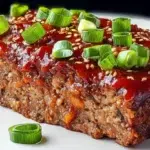
Korean Meatloaf with Gochujang Glaze
- Total Time: 90 minutes
- Yield: 6 servings 1x
- Diet: None
Description
A delicious Korean-American twist on classic meatloaf, featuring a spicy-sweet gochujang glaze that caramelizes beautifully.
Ingredients
- 500g (1 lb) lean ground beef
- 300g (⅔ lb) ground pork
- 60g (1 cup) panko breadcrumbs
- 80ml (⅓ cup) whole milk
- 2 tablespoons gochujang
- 2 tablespoons soy sauce
- 1 tablespoon toasted sesame oil
- 1 tablespoon fresh ginger, finely grated
- 4 cloves garlic, finely minced
- 3 green onions, finely sliced
- 2 eggs, lightly beaten
- 1 tablespoon brown sugar
- ½ teaspoon black pepper
- 1 teaspoon salt
- 3 tablespoons gochujang (for glaze)
- 2 tablespoons honey
- 1 tablespoon soy sauce (for glaze)
- 1 tablespoon rice vinegar
- 1 teaspoon toasted sesame oil (for glaze)
- 1 teaspoon garlic, finely grated (for glaze)
- Sesame seeds and sliced green onion (for serving)
- Steamed white rice (for serving)
- Kimchi (for serving)
Instructions
- Preheat oven to 180°C / 350°F. Line a 23×13cm (9×5 inch) loaf pan with parchment paper and lightly oil.
- Whisk all glaze ingredients together in a small bowl until smooth.
- Combine the panko and milk in a large mixing bowl. Let sit for 5 minutes until the panko absorbs the milk.
- Add gochujang, soy sauce, sesame oil, ginger, garlic, green onions, eggs, brown sugar, salt, and pepper to the panade. Mix to combine, then add ground meats and mix gently until just combined.
- Transfer the meat mixture to the loaf pan and smooth the top. Bake for 45 minutes.
- Remove from the oven, glaze the top and sides with half of the gochujang glaze, and return to bake for an additional 15-20 minutes until internal temperature reaches 73°C / 165°F.
- Increase oven temperature to 230°C / 450°F, glaze the meatloaf with the remaining glaze, and broil for 3-5 minutes until bubbling and charred.
- Rest for 10 minutes before lifting out, slicing, and serving with sesame seeds, green onion, steamed rice, and kimchi.
Notes
This meatloaf is even better the next day. Slice and reheat in a pan for optimal texture.
- Prep Time: 20 minutes
- Cook Time: 70 minutes
- Category: Main Course
- Method: Baking
- Cuisine: Korean-American
Nutrition
- Serving Size: 1 serving
- Calories: 400
- Sugar: 8g
- Sodium: 600mg
- Fat: 18g
- Saturated Fat: 6g
- Unsaturated Fat: 10g
- Trans Fat: 0g
- Carbohydrates: 30g
- Fiber: 2g
- Protein: 25g
- Cholesterol: 70mg