Chinese recipes are the most searched cuisine category in the world, and the most misrepresented in Western understanding of what Chinese food actually is.
The Chinese food most Americans know is a specific, narrow slice of a vast tradition: the Cantonese and Shanghainese cooking that Chinese immigrants brought to the United States in the 19th century, adapted over generations for American palates and pantries, served in restaurants that bore little resemblance to what people in China were actually eating at home. This food, egg fried rice, sweet and sour pork, chop suey, fortune cookies, is genuinely American-Chinese food. It is its own tradition with its own history and its own flavors, and there is nothing wrong with it. But it is not Chinese food in any comprehensive sense, any more than a slice of pepperoni pizza represents the full range of Italian cooking.
What Chinese food actually is: one of the most geographically diverse, most historically deep and most technically sophisticated food cultures in the world. Eight major regional traditions, each shaped by different climates, different agricultural landscapes and different centuries of cultural development, producing foods that have almost nothing in common except the language of the people who cook them.
This guide covers what Chinese cooking actually is, how the four great regional traditions differ, what the essential techniques and ingredients are, and how to cook genuinely good Chinese food in a home kitchen in Nashville, Tennessee, or anywhere else.
This is part of the Asian recipes collection on RecipesWorldly.
What Chinese Food Actually Is
Chinese cuisine is enormously varied due to the country’s vast geographic diversity, historically organized into four great traditions: Lu in the north, Yue in the south, Chuan in the west and Huaiyang in the east. This four-tradition framework is the starting point for understanding Chinese food. Everything else, every specific dish, every regional variation, every cooking technique makes more sense once you understand which tradition it comes from.
Food in China serves multiple purposes beyond nutrition, health promotion, social bonding, cultural identity, family values. The traditional Chinese medicine concept of qi, the vital energy that flows through all living things, extends to food, with specific ingredients believed to balance hot and cold, yin and yang. This is not mysticism for its own sake but a philosophy that has shaped Chinese cooking for thousands of years and explains why certain ingredient combinations appear constantly (ginger to warm, bitter melon to cool) and why Chinese cooking pays such careful attention to seasonal eating.
The Four Great Traditions: The Framework
Lu Cuisine: The Cooking of Northern China
The north of China is cold, dry and wheat-producing. Lu cuisine, the cooking of Shandong province and northern China broadly, is built on wheat-based staples: hand-pulled noodles, steamed buns (mantou), flatbreads, dumplings (jiaozi). The flavors are generally bold and direct garlic, spring onions, vinegar, soy sauce used assertively. Braised dishes are prominent. The wok technique produces dishes with clear, defined flavors rather than the complex layered sauces of the south.
Peking duck, the most celebrated dish of Beijing is the pinnacle of Lu cuisine. Whole duck air-dried, lacquered with a sweetened soy and maltose glaze, roasted in a wood-fired oven until the skin is shatteringly crisp while the flesh beneath stays tender. Served with thin wheat pancakes, cucumber batons, spring onions and hoisin sauce. The result is one of the great combinations in all of Chinese cooking, crisp, rich, sweet, fresh and savory in every bite.
Yue Cuisine: Cantonese Cooking of the South
Cantonese cooking is the most familiar Chinese regional cuisine to Western palates, it was the tradition that traveled to America with 19th-century immigrants, the food of Hong Kong’s restaurant culture, the source of dim sum and roast meats and the stir-fry technique that has influenced every professional kitchen in the world.
The Cantonese philosophy is restraint in seasoning and respect for fresh ingredients. Cantonese cooks believe with some justification that they have access to the finest seafood, produce and livestock in China, and that the job of cooking is to enhance the natural quality of those ingredients rather than to mask or transform them. The result is a cuisine where the freshness of a steamed fish, the crispness of water spinach briefly stir-fried with garlic, or the delicacy of a har gow dumpling (translucent rice flour wrapper enclosing perfectly seasoned shrimp) is the entire point.
Dim sum, thought to have originated in Silk Road teahouses as long ago as 2,500 years, remains a cornerstone of Cantonese food culture, with yum cha still a weekly highlight in Guangzhou and Hong Kong. The yum cha tradition gathering with family on Sunday morning to drink tea and share an endless procession of small bamboo steamer baskets is one of the most specific and most beloved rituals in Cantonese life. Har gow (shrimp dumplings), siu mai (pork and shrimp cups), char siu bao (barbecue pork buns), cheung fun (rice noodle rolls), turnip cake, egg tarts. Each made with extraordinary technical precision. Each containing no more than two or three flavors. Each perfect.
Chuan Cuisine: Sichuan and the Fire of the West
Sichuan cuisine is the most internationally famous and most misunderstood of the four great traditions. Its reputation is for heat, and the heat is real and significant. But the specific character of Sichuan heat is ma la, a combination of dried chili heat (la) and the numbing effect of Sichuan peppercorns (ma) that creates a sensation unlike any other in global cooking. The peppercorns do not add heat, they create a tingling, electric numbness on the tongue and lips that transforms the experience of the chili alongside it. Together they produce a heat that is both more intense and more interesting than chili alone.
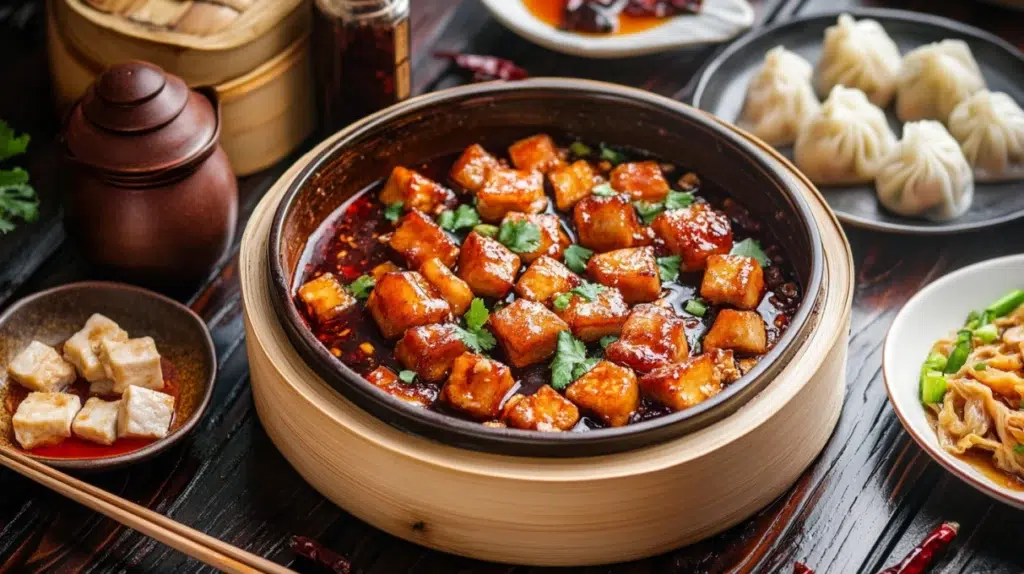
Beyond the ma la philosophy, Sichuan cooking is technically sophisticated, the layering of fermented doubanjiang (chili bean paste), black bean paste, ginger, garlic and aromatic oil creates sauces of extraordinary depth. Mapo tofu, silken tofu in a deeply savory, spicy sauce of pork mince, fermented black beans, doubanjiang and Sichuan peppercorns, is the dish that best captures Sichuan cooking’s combination of bold, assertive flavor with careful technical layering. Kung pao chicken. Dan dan noodles. Fish-fragrant eggplant (yu xiang qiezi, no fish involved, the name refers to the flavor profile). Twice-cooked pork (hui guo rou). These are the cornerstones of the tradition.
Huaiyang Cuisine: The Refined Cooking of Eastern China
Huaiyang cuisine from the Jiangsu and Zhejiang region is the most refined of the four great traditions and the least known internationally. Built on the fresh ingredients of the Yangtze River delta fish, shellfish, bamboo shoots, lotus root, water chestnuts and characterized by careful knife work, gentle braising, and a light hand with seasoning, Huaiyang cooking is considered by many Chinese food scholars to be the most technically accomplished of the regional traditions.
The signature dish is Lion’s Head meatballs, large pork meatballs of exceptional tenderness (the meat is chopped by hand, not ground, to preserve texture) braised in a clear, delicate broth with cabbage. Red-braised pork belly (hong shao rou), slowly braised in soy, Shaoxing rice wine, rock sugar and spices until the fat is completely gelatinous and the sauce is a thick, glossy, caramel-colored lacquer, is the comfort food of the region and one of the great slow-cooked dishes in any cuisine.
The Essential Techniques
Wok Hei: The Most Important Concept in Chinese Cooking
Wok hei (鑊氣), literally “wok breath” or “wok energy”, is the specific flavor produced by cooking protein and vegetables in a properly seasoned wok over extremely high heat. It is simultaneously a flavor and a sensation: a faint charred quality, a slight smokiness, a specific depth that cannot be replicated by any other cooking method. Restaurant wok burners produce 150,000 BTU of heat. Home gas burners produce 10,000-15,000 BTU. This is the fundamental challenge of cooking Chinese food at home, the heat differential means true restaurant-quality wok hei is essentially impossible on a home stove.
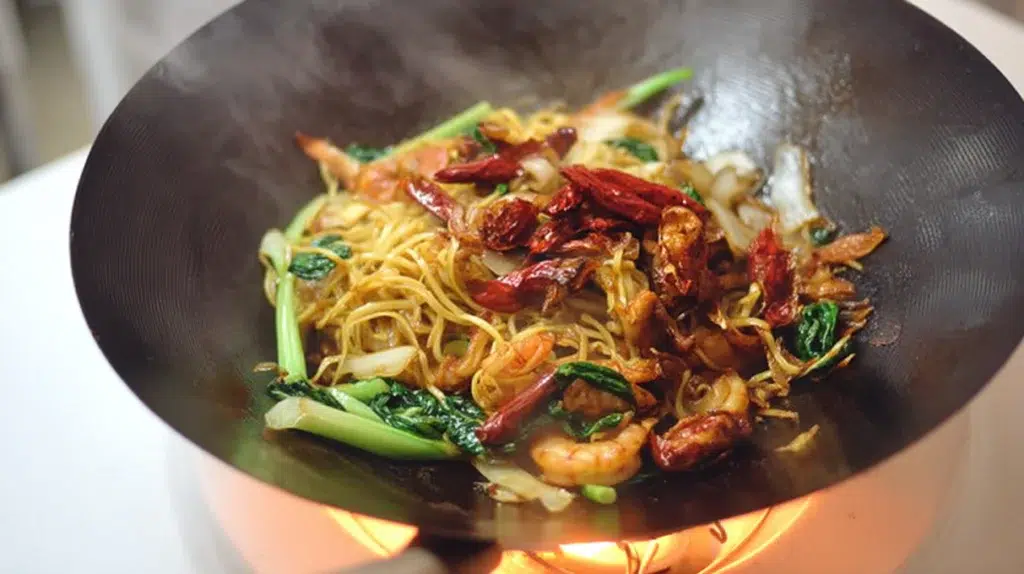
The workaround: cook in smaller batches than any restaurant would, on the highest heat your stove can produce, with a dry wok or carbon steel pan that is properly seasoned and heated until smoking before anything goes in. You will not achieve restaurant wok hei. You will achieve something noticeably better than cooking on medium heat in a non-stick pan, which is where most home Chinese cooking goes wrong.
Velveting: The Technique That Changes Everything
Velveting is the Chinese cooking technique that gives restaurant-style Chinese dishes their characteristic silky, tender protein texture, the specific quality of chicken in kung pao or beef in broccoli that seems impossible to replicate at home. The technique: raw protein is marinated in a mixture of cornstarch, egg white, shaoxing rice wine and a small amount of oil, then briefly blanched in oil or water before being added to the dish.
The cornstarch-egg white coating seals the surface of the protein, preventing moisture loss during the high-heat cooking phase. The brief blanch sets this coating and half-cooks the meat. The result is protein that remains tender, juicy and perfectly textured even when subsequently stir-fried at high heat, not dry, not tough, not chewy.
This technique works for chicken, beef, pork and shrimp. It adds 20 minutes to the process and transforms the result entirely. Every Chinese recipe on this site uses velveting where appropriate.
Mise en Place: More Critical in Chinese Cooking Than Anywhere Else
Chinese stir-fry dishes cook in 3-4 minutes at high heat. There is no time to chop, measure or prepare anything once the wok is hot. Every ingredient must be measured, sliced, mixed and laid out in order of addition before the heat goes on. This is mise en place, everything in its place and it is non-negotiable in Chinese cooking in a way it is not in most other cuisines.
The Chinese Pantry: The Essential Ingredients
Soy sauce: two types essential. Light soy sauce (生抽, sheng chou), thinner, saltier, used for cooking and dipping. Dark soy sauce (老抽, lao chou), thicker, less salty, used for color and depth in braised dishes and fried rice. These are not interchangeable.
Shaoxing rice wine: the most important cooking wine in Chinese cuisine. Adds depth, removes fishiness from seafood, tenderizes meat. Buy from a Chinese grocery store. Dry sherry is the closest widely available substitute but not identical.
Doubanjiang (chili bean paste): fermented broad bean and chili paste from Pixian in Sichuan province. The foundation of Sichuan cooking and many other Chinese sauces. Spicy, deeply savory, umami-forward. Available at Chinese grocery stores and some Whole Foods.
Oyster sauce: thick, savory-sweet sauce made from oyster extracts. Used in Cantonese stir-fries, marinades and dipping sauces. Lee Kum Kee is the standard reliable brand.
Sesame oil (toasted): used as a finishing oil, never for cooking. Added at the end of a dish for fragrance and depth.
Chinese five spice: star anise, Sichuan pepper, cloves, cinnamon and fennel seeds ground together. Used in braised dishes, marinades and roasted meats throughout China.
Sichuan peppercorns: the defining ingredient of Sichuan cooking. Not related to black pepper, produces a distinctive numbing, tingling sensation (ma) that is the counterpart to chili heat. Buy whole, toast lightly, grind fresh.
Cornstarch: used constantly in Chinese cooking for velveting, thickening sauces and coating proteins before frying.
Dried shiitake mushrooms: more intensely flavored than fresh. Soaked in warm water (save the soaking liquid, it is extremely flavorful and goes into the dish), sliced and used in braised dishes, soups and stir-fries.
The complete Chinese pantry guide with specific brands, where to buy and substitution notes is in the Chinese pantry article.
The Recipes Where to Start
Chinese Fried Rice: The Most Important Weeknight Dish
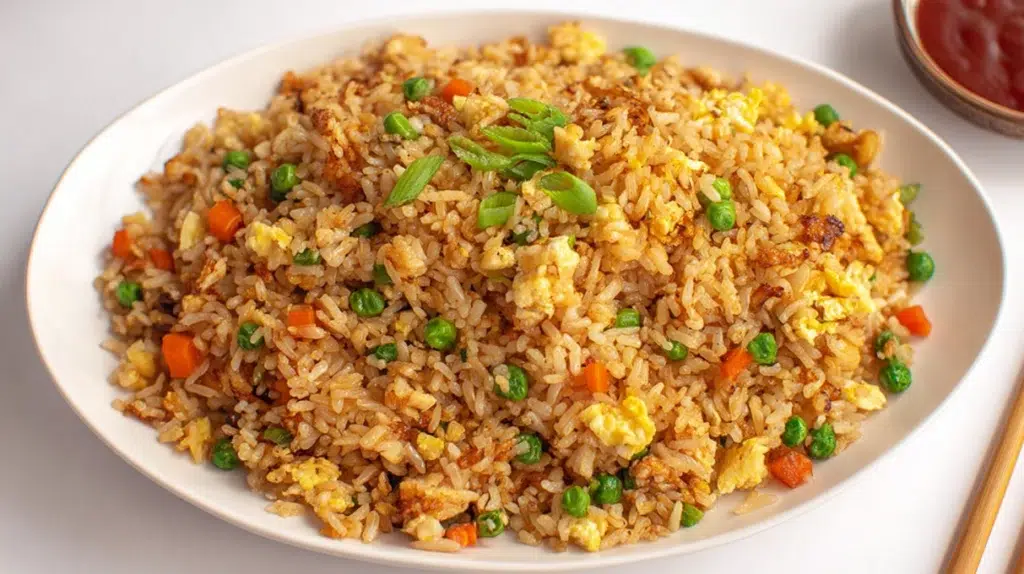
Chinese fried rice is not a dumping ground for leftovers. Done properly it is one of the great quick-cook dishes in any cuisine, each grain of rice separate and lightly toasted, flavored with egg, soy sauce and aromatics, with protein and vegetables that are cooked at the correct moment rather than thrown in together.
The two non-negotiables: day-old rice (fresh rice is too wet and steams rather than frying) and high heat (wok hei or as close as a home stove can approach). Everything else is a variation on the technique.
→ Full recipe in the Chinese fried rice guide
Kung Pao Chicken: The Sichuan Classic
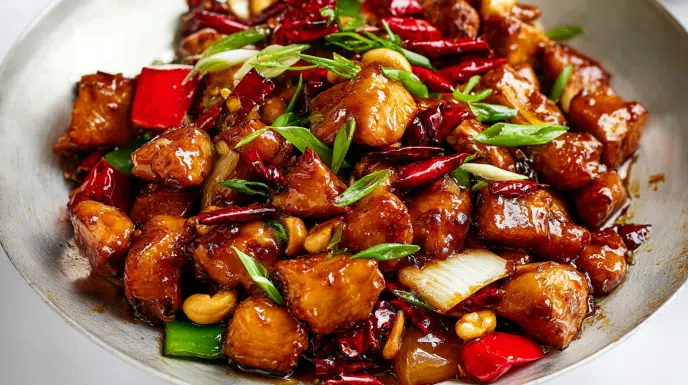
The most searched Chinese recipe in the US and one of the most misrepresented. Real kung pao chicken is not swimming in a thick cornstarch sauce. It is dry-wok-tossed velveted chicken with dried chilis, Sichuan peppercorns and peanuts in a light, glossy sauce that coats rather than drowns. The balance of heat, numbing and savory is the entire dish.
→ Full recipe in the kung pao chicken guide
Dim Sum at Home: Dumplings, Buns and the Yum Cha Tradition
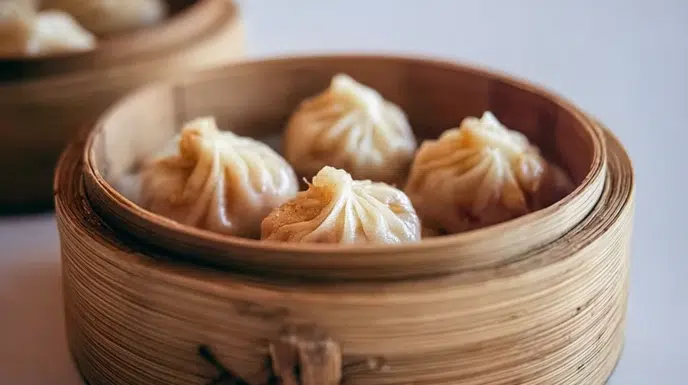
Making dim sum at home is ambitious, but dumplings (jiaozi and har gow), steamed buns (char siu bao) and rice noodle rolls (cheung fun) are all achievable with patience and the right technique. The folding techniques take practice. The flavors, once mastered, are extraordinary.
→ Full guide in dim sum at home
Sichuan Recipes: Mapo Tofu, Dan Dan Noodles and More
The Sichuan tradition covers the most searched and most celebrated regional Chinese dishes in the world. Mapo tofu. Kung pao. Dan dan noodles. Twice-cooked pork. Each requires the Sichuan pantry, doubanjiang, Sichuan peppercorns, dried chilis, and each rewards the investment in those ingredients many times over.
→ Full collection in the Sichuan recipes guide
Chinese Food Culture: Things Worth Understanding
The chopstick table: Chinese dining is communal. Multiple dishes arrive together and are shared from the center of the table. Individual portions are not the Chinese default, the meal is built around sharing, and the range of dishes at the table is the expression of hospitality.
Tea culture: tea is served throughout the Chinese meal, not just at the end. In Cantonese yum cha culture, the tea selection is as important as the food. Pu-erh (aged fermented tea), chrysanthemum, jasmine, oolong, each pairs with different foods.
Celebration food: Chinese New Year celebrations have a specific food vocabulary: dumplings (jiaozi) shaped like ancient gold ingots for prosperity, long noodles for longevity (never cut), whole fish for abundance, sticky rice cakes (nian gao) for success, spring rolls for wealth. Each dish carries symbolic meaning that has accumulated over thousands of years of celebration.
The wok as a cultural object: a properly seasoned carbon steel wok is one of the most personal cooking tools in Chinese cuisine. The black patina that builds over years of cooking is the accumulation of all the meals cooked in it. Chinese cooks do not wash woks with soap, they rinse with hot water and dry over heat. The seasoning is the flavor memory of the pan.
All Chinese Recipes on This Site
Rice and noodles
- Chinese Fried Rice: The Technique That Makes It Actually Work
Chicken
- Kung Pao Chicken: The Sichuan Original, Not the Restaurant Version
Dim sum and dumplings
- Dim Sum at Home: Dumplings, Buns and the Yum Cha Tradition
Pantry and ingredients
- Chinese Pantry Guide: Every Essential Ingredient Explained
Regional Sichuan
- Sichuan Recipes: Mapo Tofu, Dan Dan Noodles and More
Frequently Asked Questions
What is the difference between Chinese food and American Chinese food?
American Chinese food is a distinct culinary tradition that developed when Cantonese immigrants adapted their cooking for American ingredients and American palates beginning in the 19th century. Dishes like chop suey, General Tso’s chicken and fortune cookies are American inventions. Authentic Chinese cooking, particularly the regional traditions beyond Cantonese, uses a broader range of techniques, less sweet flavor profiles, more varied spicing and very different ingredient priorities. The full comparison is in the Japanese vs Chinese food article which covers Chinese cooking philosophy in detail.
Do I need a wok?
For stir-frying, yes, ideally. A 14-inch carbon steel wok is the correct tool and costs less than $40. A large, heavy stainless steel skillet is an acceptable substitute. A non-stick pan is the wrong tool, it cannot be used on the high heat required and does not develop wok hei.
What is the difference between light and dark soy sauce?
Light soy sauce (sheng chou) is thinner, saltier and used for everyday cooking and dipping. Dark soy sauce (lao chou) is thicker, less salty, darker in color, used to add a deep mahogany color to braised dishes and fried rice. They are not interchangeable. Many Chinese recipes call for both.
Is Chinese cooking difficult?
The technique of wok stir-frying is genuinely demanding, high heat, fast action, everything prepared in advance. But many Chinese dishes are braises, soups or cold preparations that are straightforward. Mapo tofu takes 20 minutes. Red-braised pork takes 3 hours but almost no active work. The range of difficulty within Chinese cooking is as wide as in any other cuisine.
Where do I buy Chinese ingredients in the US?
Chinese grocery stores are the best single source, widely available in any US city with an Asian population. H Mart carries most essentials. Whole Foods carries soy sauce, oyster sauce, sesame oil, five spice and some Sichuan ingredients. Amazon carries doubanjiang, Shaoxing wine, Sichuan peppercorns and specialty items.
Planning your week? Add a Chinese recipe to your weekly meal planner alongside your everyday staples.